

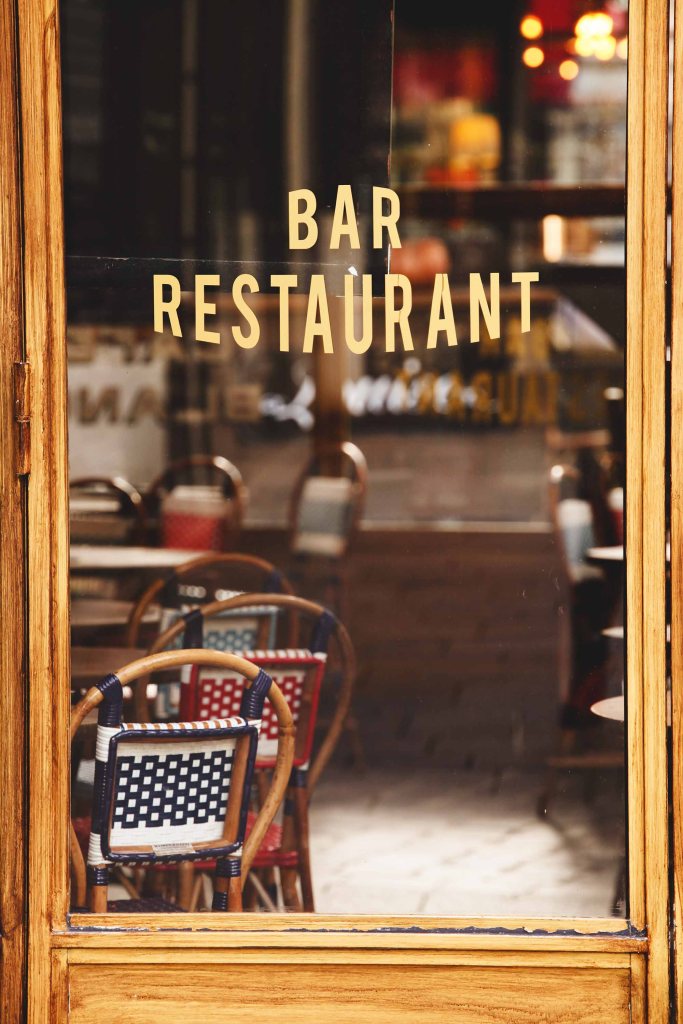
For centuries, bistros have been at the heart of French culture, offering a warm and convivial space where locals gather for a quick espresso, a leisurely lunch, or a lively discussion over a glass of wine. These small, often family-run establishments embody the soul of France, blending simple yet delicious cuisine with an atmosphere of timeless charm. However, in recent years, these iconic institutions have been steadily disappearing, falling victim to economic pressures, shifting dining habits, and urban transformation.
The Decline of a Cultural Icon
According to recent studies, the number of bistros in France has been dwindling at an alarming rate. In Paris alone, thousands of traditional bistros have closed their doors over the past few decades. While the city was once dotted with these cozy eateries, today they are being replaced by fast-food chains, trendy international restaurants, and coffee shop franchises.


Several factors contribute to this decline. Rising rent prices in major cities make it increasingly difficult for small, independently owned bistros to survive. Additionally, changes in social behavior mean that younger generations are opting for quick, takeaway meals instead of sitting down for traditional bistro fare. The increasing regulation of alcohol consumption, particularly stricter laws on drink-driving, has also played a role in reducing the number of patrons visiting bistros for a glass of wine or a pastis after work.
The Impact of Globalization and Modern Lifestyles
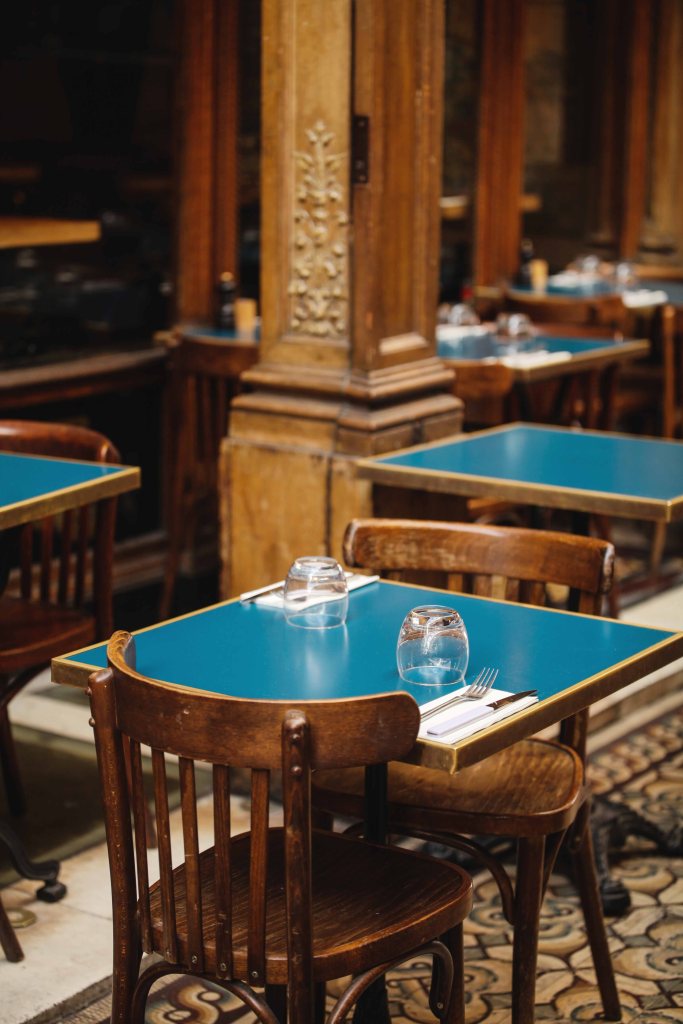
Globalization has introduced a wave of new dining options to France, altering the culinary landscape. International cuisine, fast-food restaurants, and specialty coffee shops appeal to modern consumers looking for variety and convenience. Meanwhile, the traditional bistro experience—where waiters in black aprons serve dishes like coq au vin and steak-frites in a rustic setting—is slowly fading.
Additionally, economic challenges, including labor costs and taxes, make it difficult for small business owners to sustain their bistros. The COVID-19 pandemic further exacerbated the problem, forcing many already struggling establishments to shut down permanently.
Efforts to Preserve Bistros
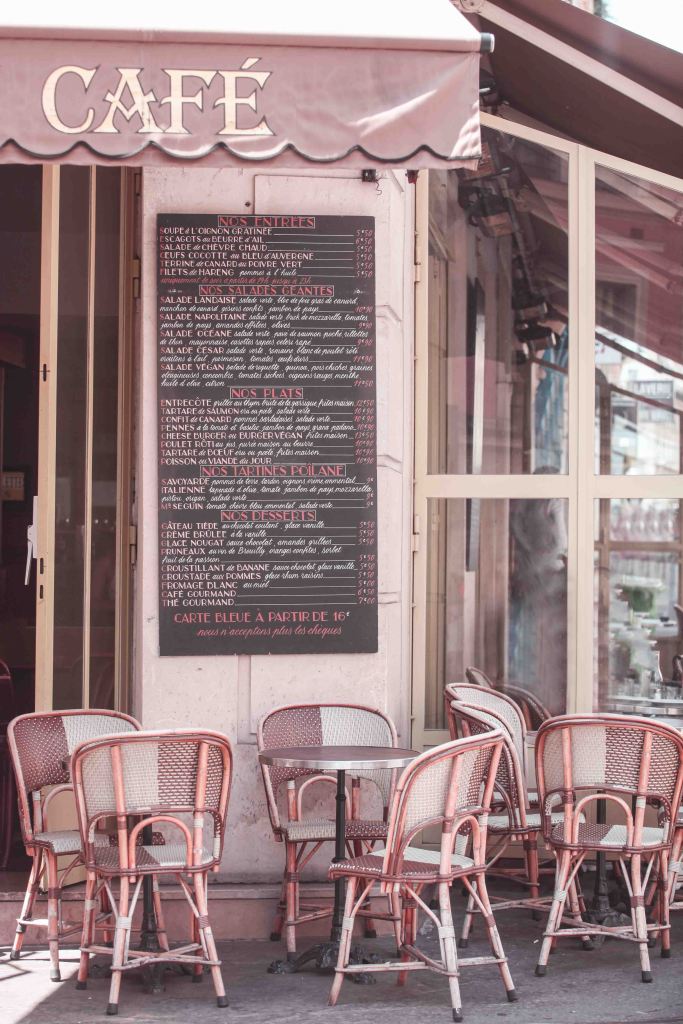
Recognizing the cultural importance of bistros, some initiatives have been launched to protect and promote them. Organizations like “Bistrots et Cafés de France” advocate for the preservation of these establishments, offering support to struggling owners. Some chefs and restaurateurs are reviving the bistro tradition with modern twists, attracting a new generation of diners while staying true to the essence of French cuisine.
Additionally, efforts are being made to secure UNESCO recognition for the traditional French bistro, similar to how the “gastronomic meal of the French” was added to the Intangible Cultural Heritage list in 2010. Such recognition could encourage policies to support bistros and preserve their unique role in French society.
A Call to Action
The disappearance of bistros is not just about food—it’s about losing a vital part of France’s cultural identity. These establishments have been meeting places for artists, writers, and everyday citizens for centuries, fostering social connections and community spirit. Supporting local bistros by choosing them over chain restaurants, advocating for policies that help small business owners, and celebrating the unique charm of these places can all contribute to their survival.
If you find yourself in France, take a moment to step into a traditional bistro, order a café crème, and soak in the atmosphere. In doing so, you’ll be helping to keep a cherished French tradition alive.
Discover more from French Glimpses
Subscribe to get the latest posts sent to your email.
