
A Hidden Gem Off the French Riviera
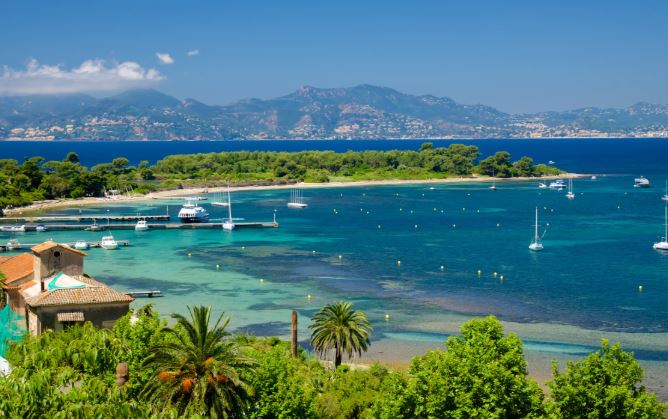
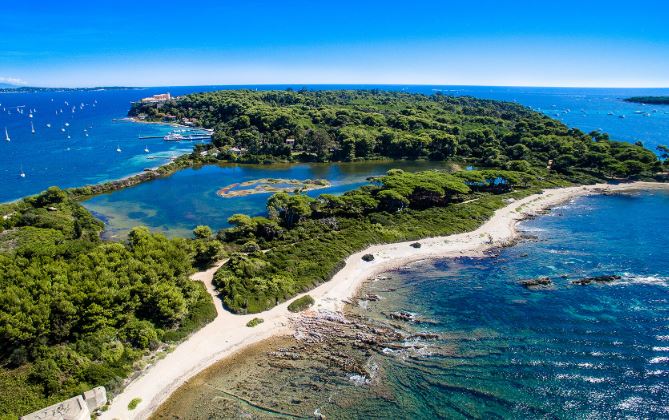
Just a few kilometers off the glamorous coastline of Cannes, the Lérins Islands emerge from the azure waters of the Mediterranean, their tranquil beauty concealing centuries of history, intrigue, and unsolved mysteries. Comprising four main islands—Île Sainte-Marguerite, Île Saint-Honorat, Île Saint-Ferréol, and Île de la Tradelière—this archipelago has been a place of spiritual retreat, military defense, and most intriguingly, the site of one of France’s greatest historical enigmas: the identity of the Man in the Iron Mask.
This article delves deep into the story of this mysterious prisoner, his connection to the Lérins Islands, and the enduring secrets that make this destination one of the most fascinating in France.
The Legend of the Man in the Iron Mask
The legend of the Man in the Iron Mask has fascinated historians, novelists, and filmmakers for centuries. Immortalized in literature by Alexandre Dumas in The Vicomte de Bragelonne—part of The Three Musketeers saga—this unknown prisoner has inspired countless theories. But what do we really know about him?
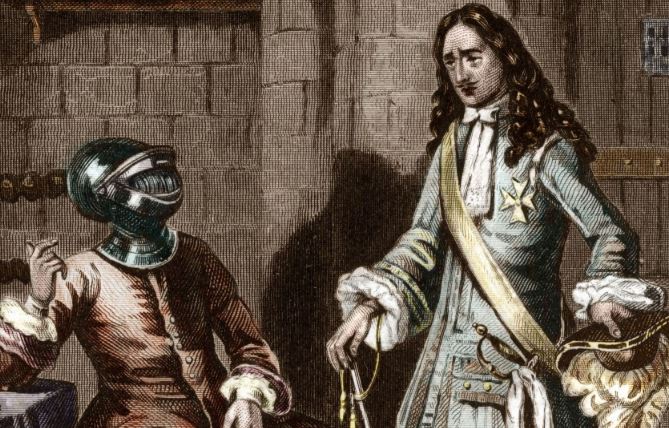
The story begins in 1669, when King Louis XIV ordered the arrest of an unnamed man, who was to be kept in various prisons across France under the strictest secrecy. His face was concealed, either by a black velvet mask or the more dramatic iron mask, which later became the symbol of his mystery. One of the most significant locations of his imprisonment was the Fort Royal on Île Sainte-Marguerite, where he was held for over a decade before being transferred to the Bastille in Paris, where he eventually died in 1703.

But who was he? A disgraced noble? A twin brother of the king? A political prisoner? The theories abound, yet no definitive answer has been found.
Île Sainte-Marguerite: A Fortress of Secrets
Fort Royal: A Prison Like No Other
The Fort Royal, still standing today on Île Sainte-Marguerite, dominates the landscape of the island. Originally built by the Spanish in the 17th century and later fortified by the famous military engineer Vauban, it became one of the most secure prisons in France.
The Man in the Iron Mask was one of its most notorious inmates. According to historical accounts, he was held in a heavily guarded cell and his identity was known only to a select few. His jailer, Bénigne Dauvergne de Saint-Mars, was known for his extreme discretion, adding to the layers of secrecy surrounding the prisoner.
Today, visitors can explore the prison cells, including the alleged chamber where the Man in the Iron Mask was confined. The damp stone walls, the narrow corridors, and the lingering atmosphere of mystery make Fort Royal a spine-chilling yet fascinating place to visit.

Theories on the Identity of the Mysterious Prisoner
For centuries, historians and researchers have speculated about the true identity of the Man in the Iron Mask. Some of the most popular theories include:
- The Twin Brother of Louis XIV – One of the most famous theories suggests that the prisoner was the secret twin brother of King Louis XIV, imprisoned to prevent any claims to the throne.
- A Nobleman Involved in a Royal Scandal – Another theory posits that he was a nobleman who knew a dangerous royal secret, such as an affair involving the queen.
- Eustache Dauger, a Valet with a Dangerous Secret – Some historians believe he was Eustache Dauger, a valet who had access to sensitive political information that could have endangered the monarchy.
- Molière’s Son or a High-Ranking Military Officer – Some lesser-known theories suggest he was an illegitimate son of the playwright Molière or a disgraced military officer.
Despite these theories, no definitive evidence has ever been uncovered, making the Man in the Iron Mask one of France’s greatest historical enigmas.
Île Saint-Honorat: The Monastic Sanctuary of the Lérins Monks
While Île Sainte-Marguerite is famous for its prison and mysteries, Île Saint-Honorat offers a stark contrast with its rich spiritual history. Home to the Abbaye de Lérins, this island has been a center of monastic life since the 5th century.
The monks of Saint-Honorat have long been known for their isolation and commitment to religious life. Even today, a small community of monks continues to live here, producing wine and liqueurs that are renowned across France.
Some conspiracy theories even link the Man in the Iron Mask to Île Saint-Honorat, suggesting that he may have been transferred there under secret monastic protection. While there is little historical evidence to support this claim, the island’s air of mystery certainly fuels the imagination.
The Lérins Islands Today: A Destination of Mystery and Beauty
Today, the Lérins Islands attract visitors for their natural beauty, historical significance, and aura of mystery. Whether you’re exploring the prison cells of Fort Royal, walking through the forests of Sainte-Marguerite, or tasting the monastic wine of Saint-Honorat, the islands offer a unique blend of history, legend, and tranquility.
Things to Do on the Lérins Islands
- Visit Fort Royal and see the alleged cell of the Man in the Iron Mask.
- Explore the lush forests and hidden coves of Île Sainte-Marguerite.
- Tour the Abbaye de Lérins on Île Saint-Honorat and taste the monks’ famous wines.
- Snorkel or kayak in the crystal-clear waters surrounding the islands.
- Attend the Lérins Jazz Festival, which brings music to this historic setting.
Conclusion: A Timeless Mystery
The story of the Man in the Iron Mask continues to captivate historians and visitors alike. The Lérins Islands, with their rich past, breathtaking landscapes, and enigmatic atmosphere, remain a must-visit destination for those who love history, mystery, and the allure of the unknown.
Whether or not the true identity of the Man in the Iron Mask is ever revealed, his legacy—and the mystique of the Lérins Islands—will continue to fascinate generations to come.
If you’re seeking a destination that blends history, mystery, and Mediterranean beauty, the Lérins Islands should be at the top of your travel list.
Discover more from French Glimpses
Subscribe to get the latest posts sent to your email.
