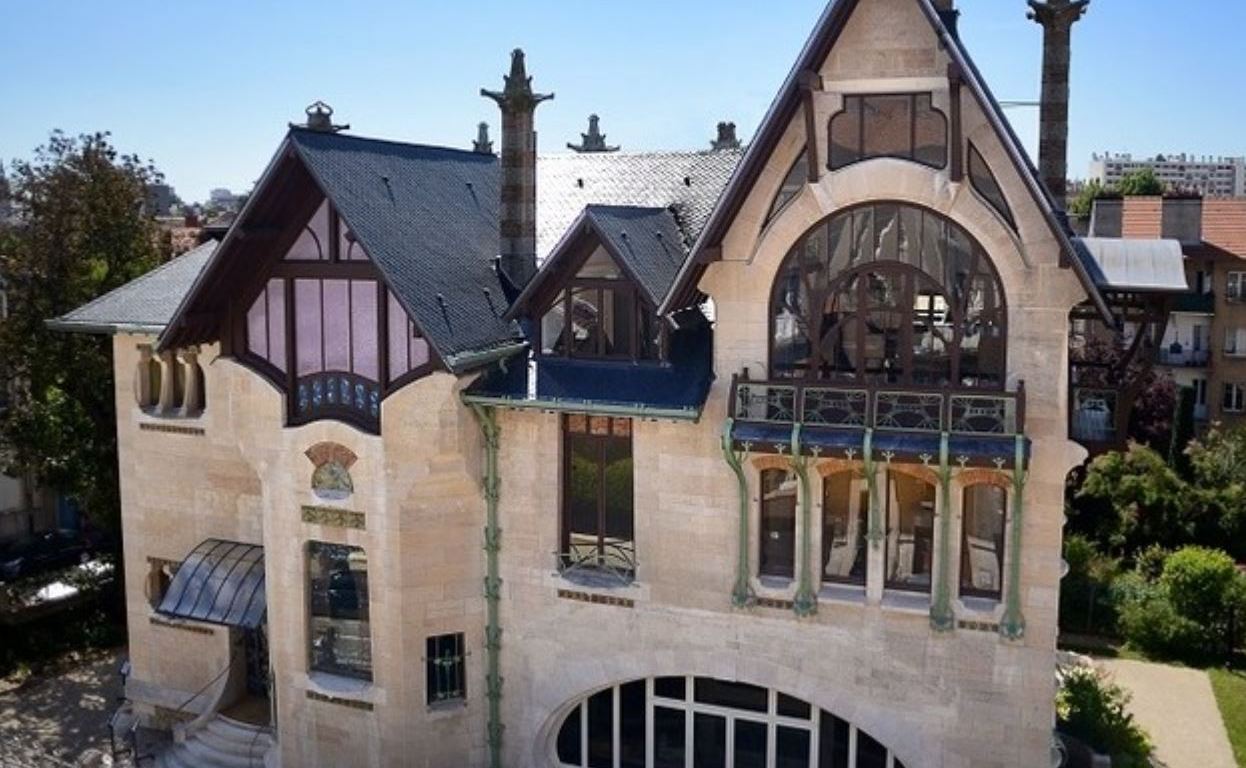
The Nancy School Museum is one of the few French museums dedicated to an artistic movement : Nancy Art Nouveau.
In the thermal district of Nancy
In the heart of the Nancy Thermal district, the museum is located in the former property of the most important collector of the School of Nancy, Eugène Corbin.
The museum takes its name from the École de Nancy association created in 1901. The École de Nancy museum opened its doors to the public on June 26, 1964. However, the era was hardly favorable to Art Nouveau, so considered old-fashioned and excessive. The perseverance of a collector, Eugène Corbin, the first patron of the École de Nancy, then that of specialists including Françoise Thérèse Charpentier, the museum’s first curator, enabled the École de Nancy to find its place within the art history and gain international recognition.
First purchases
From 1894, following the first exhibition bringing together the great figures of the Nancy art scene, the Société des Arts Décoratifs Lorrains bought the works of Émile Gallé, Victor Prouvé, Louis Hestaux and Camille Martin. A museum of decorative art was officially created in 1900 within the Museum of Fine Arts, then installed in the Town Hall. In 1904, 39 glassworks by Émile Gallé, selected by the artist himself, enriched this first collection.

A decisive donation for the future museum
In 1935, Eugène Corbin made an exceptional donation: 759 pieces, all fields combined, created by the main artists of the movement, entered the municipal heritage. The “Museum of the School of Nancy – Donation Corbin” is installed in the North gallery of the Poirel room. Moved during the Second World War, the collection remains in the box on its return to Nancy. The damage caused by the great flood of 1947 led to the search for a permanent exhibition solution.
A house for a museum
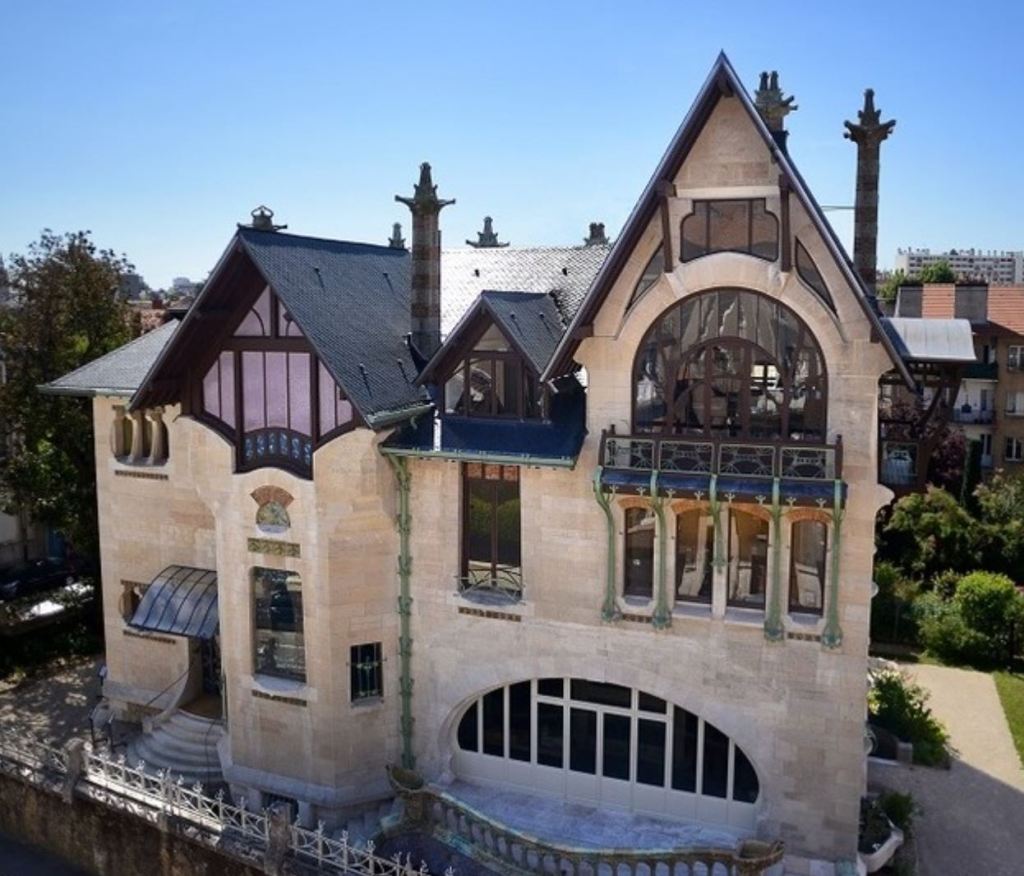
In 1951 – 1952, the city acquired the Corbin property, located rue du sergent Blandan, a few months before the death of the donor. The ideal setting for the museum was finally found and it opened its doors in May 1954, one day a week.
Ten years later, a completely rejuvenated and enlarged museum was inaugurated in the presence of descendants of the artists, including the daughters of Émile Gallé. The Management of the Museums of France officially gives it the name “Musée de France”.
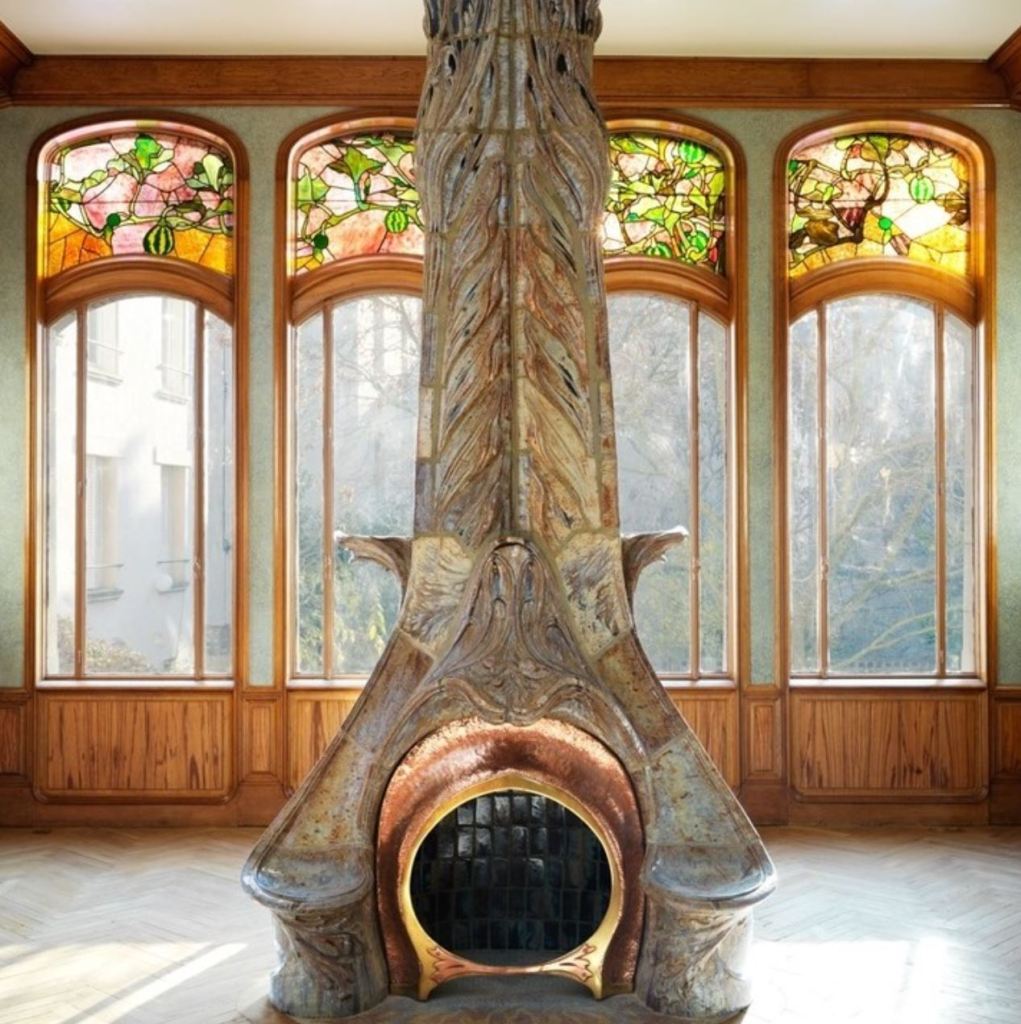
Inside the house, furniture, works of art, glassware, ceramics, stained glass, paintings and fabrics illustrate the diversity of techniques worked by artists from the School of Nancy. Unique pieces are exhibited. They testify to the technical virtuosity of these artists, but also to the distribution of objects produced in a large number of copies. Representative of “Art for all”, these are small inlaid pieces of furniture, acid-etched glass or even mass-produced ceramics.
A rich collection of glassware of more than 400 pieces
The museum does not present a strict reconstruction of the 1900 era but, by placing works in situation, it restores the atmosphere of this period. The spaces are arranged in such a way as to encourage free movement. The visitor is immersed in the intimacy of the works. An important part is reserved for Émile Gallé, whose museum keeps a rich collection of glassware of more than 400 pieces, but also works of ceramics and furniture.
The museum also exhibits the dining room designed for the Masson couple in 1903-1906 by Eugène Vallin, in collaboration with Victor Prouvé for the painted ceiling as well as the leather hangings and the Daum factory for the lights. In addition to the great names of the School of Nancy, the museum offers an overview of the French Art Nouveau movement with works by Guimard, Chaplet, Selmersheim and Carabin.
https://musee-ecole-de-nancy.nancy.fr/accueil
Discover more from French Glimpses
Subscribe to get the latest posts sent to your email.
