Between Engineering, Legend, and Private History
The Eiffel Tower is one of the most studied monuments in the world, yet it continues to inspire speculation. Beyond its technical brilliance, its distinctive silhouette — often described as resembling a capital “A” — has given rise to numerous interpretations.
While engineers point to structural necessity, others have long wondered whether this shape could also reflect something more personal in the life of its creator, Gustave Eiffel.
A Structure Designed by Physics
From an architectural standpoint, the explanation is clear.
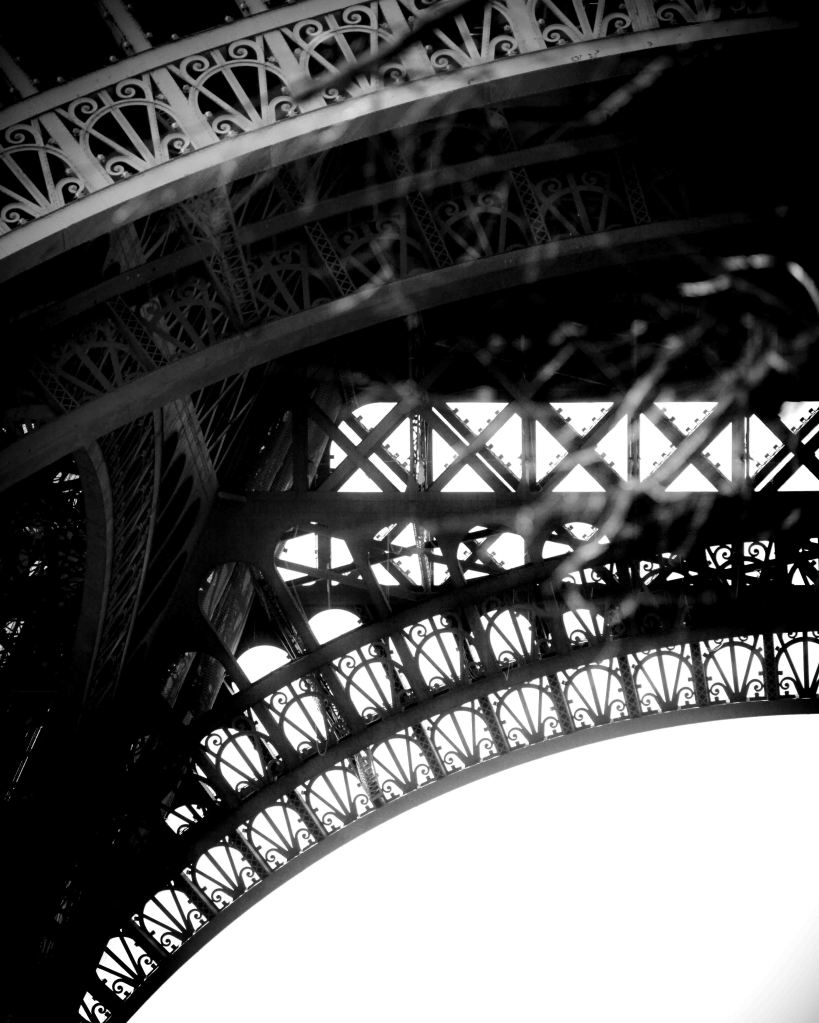
Designed for the 1889 Universal Exhibition, the Eiffel Tower had to meet unprecedented challenges: height, wind resistance, and durability. Its wide base and narrowing profile allowed the iron structure to distribute weight efficiently while remaining stable under strong winds.
The resulting form naturally created two curved pillars rising from the ground and meeting higher up — a configuration that visually evokes the letter “A”.
According to historical records, this shape was dictated by engineering calculations, not symbolism.
And yet, the story does not end there.
Gustave Eiffel’s Early Life and the Figure of Alice
Biographical accounts of Gustave Eiffel’s youth mention a close relationship with his cousin Alice, with whom he spent much of his childhood. Several sources describe a strong emotional bond that exceeded simple familial affection.
During a childhood game, Alice reportedly fell and suffered serious injuries. The accident deeply affected Eiffel, who would carry a sense of guilt and sorrow for years afterward. Alice’s health never fully recovered, and she gradually disappeared from his life.
Though Eiffel rarely spoke publicly about this episode, historians agree that it marked him profoundly.
The Letter “A”: A Coincidence That Invites Interpretation
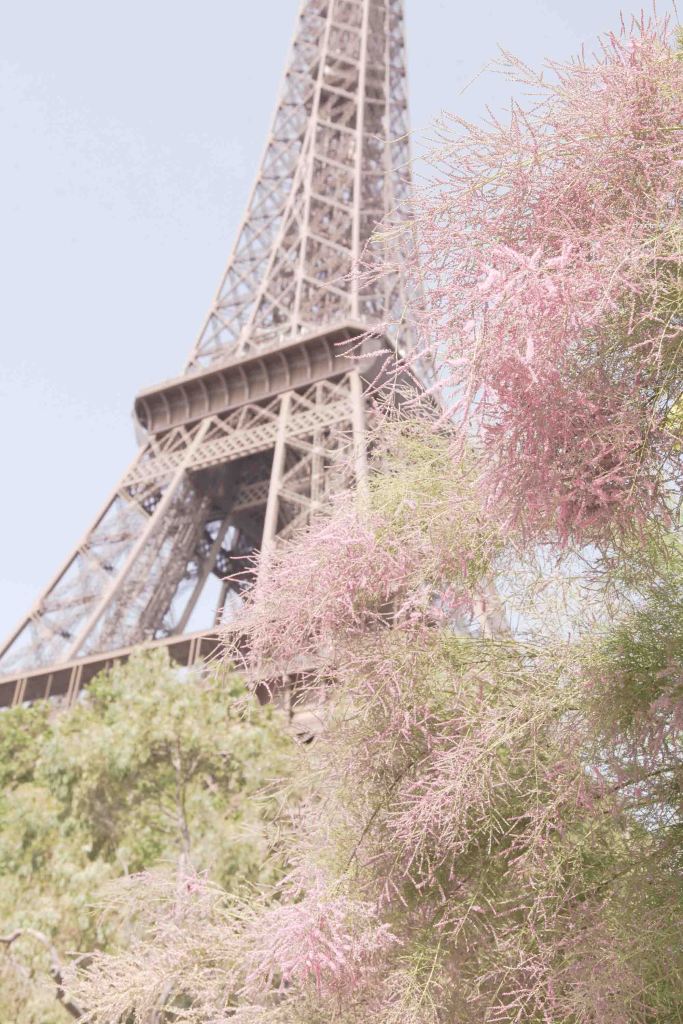
The resemblance of the tower’s base to the letter “A” has inevitably led to speculation.
In popular Parisian lore, the letter has been associated with:
- Alice, his childhood love
- Avenir (the future)
- Architecture
- or even Amour
No archival document confirms that Eiffel intentionally designed the tower as a personal symbol. However, the persistence of this interpretation reflects the human tendency to seek meaning beyond function — particularly in a city like Paris, where monuments often carry layered narratives.
A Second Love, the Same Initial
Later in life, Gustave Eiffel experienced another significant romantic relationship — also with a woman whose first name began with the letter A. This relationship, too, ended in separation and disappointment.
Two important emotional bonds.
Two absences.
The same initial.
For some historians and writers, this repetition strengthens the symbolic reading of the tower’s form, even if it remains in the realm of interpretation rather than fact.
A Monument Unlike Any Other
Unlike traditional monuments, the Eiffel Tower is not solid. Its base is open, allowing people to walk beneath it freely. This transparency was radical at the time and contributed to the hostility it initially provoked.
Writers and artists condemned the structure as:
- useless
- monstrous
- out of place
Ironically, these criticisms echoed the way Eiffel himself was often perceived — an engineer in a city that valued classical beauty over industrial modernity.
Originally intended to stand for only twenty years, the tower survived thanks to its usefulness as a radio antenna and its growing symbolic power.
Between Fact and Legend
So, why does the Eiffel Tower have the shape of an “A”?
The documented answer remains technical.
The cultural answer is more complex.
Paris has always embraced ambiguity. It allows myths to coexist with facts, and personal stories to intertwine with public monuments. The Eiffel Tower, whether intentionally or not, has become a screen onto which collective imagination is projected.
Perhaps this is precisely what makes it endure.
More than a feat of engineering, it is a structure that invites interpretation — and continues to do so more than a century after its construction.
Discover more from French Glimpses
Subscribe to get the latest posts sent to your email.
