There is a specific kind of magic that happens when you step off the Eurostar or land at CDG. It’s not just the smell of butter and diesel, or the way the light hits the Haussmann limestone at 4:00 PM. It is the realization that you have entered a world where “efficiency” is a dirty word and “pleasure” is a civic duty.
French Glimpses is a reader-supported publication. To receive new posts and support my work, consider becoming a free or paid subscriber.
Over the years, through countless morning walks in Paris and too many éclairs to admit to my doctor, I’ve realized that being French isn’t a birthright. It’s a performance. It’s a philosophy. It’s the art of caring deeply about things that seem trivial—like the crust of a baguette—and being magnificently indifferent to things that seem urgent—like a ringing telephone.
If you’ve ever wanted to channel your inner Parisienne, here is my guide on how to eat, dress, and think like you’ve lived in a mansard roof apartment all your life.
I. The Gastronomic Soul: Eating as an Act of Worship
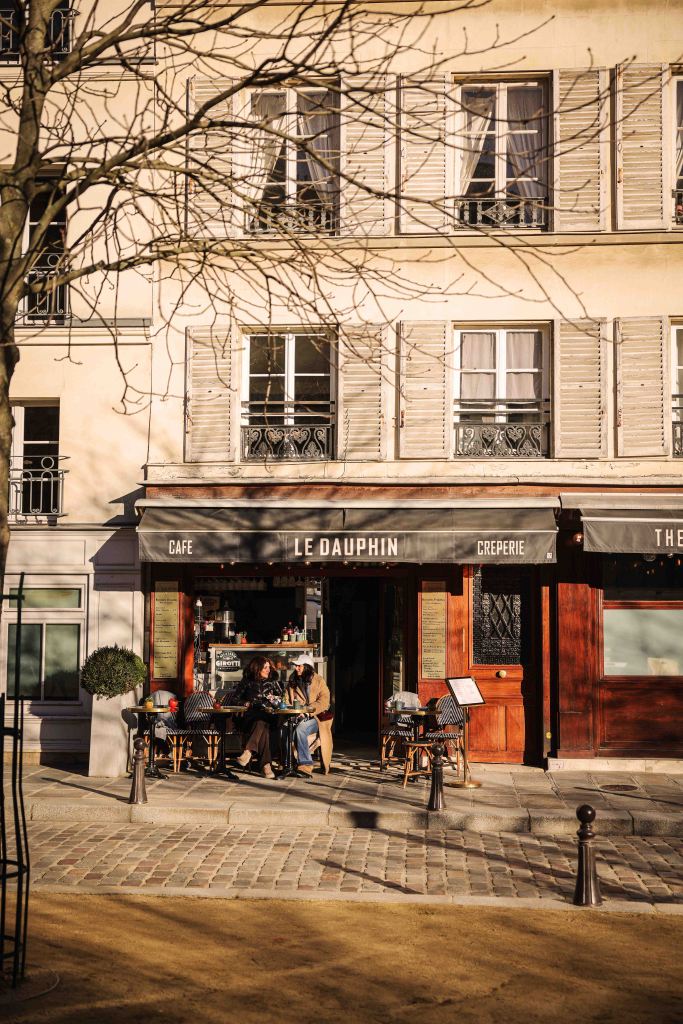
In many cultures, food is fuel. In France, food is the guest of honor. To eat like a French person, you must first unlearn the habit of “grabbing a bite.” In France, we do not grab. We sit. We linger. We deliberate.
1. The Baguette Ritual Never buy your bread at a supermarket. It is a betrayal. You must find your boulangerie, the one where the baker has flour in his eyebrows and a slightly grumpy disposition. When you buy your baguette, it is legally required (in the unwritten laws of the street) to tear off the quignon—the crusty end—and eat it while walking home. If the baguette makes it home intact, you have failed the first test of French impulsive joy.
2. The Sacred Lunch Hour Between 12:00 PM and 2:00 PM, the country effectively shuts down. Do not try to call a government office. Do not expect a quick turnaround on an email. The French lunch is a three-act play. It begins with an entrée, moves to a plat, and ends with a café. Note: Coffee is never drunk with the meal. It is the period at the end of the sentence.
3. The Cheese Course: A Geography Lesson Cheese is not a snack. It is a course that sits between the main dish and dessert. And remember, there is a geometry to cutting cheese. To cut the “nose” off a wedge of Brie is a social crime. You must cut in thin slices so that everyone gets a bit of the creamy heart and the rind. To do otherwise is to invite a look of such profound disappointment from your host that you may never recover.
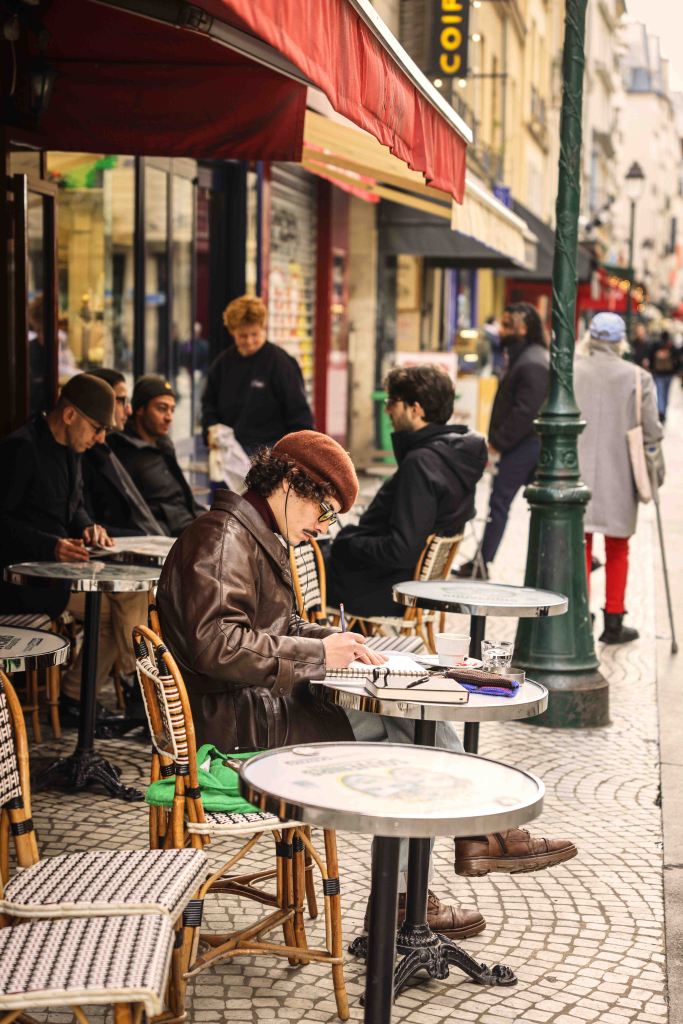
II. The Sartorial Secret: The “Non-Style” Style
Janine Marsh often speaks of the effortless chic of French women. The secret? It’s not that they don’t try; it’s that they hide the effort so well it looks like they woke up in Chanel.
1. The Power of “Le Neutre” While the rest of the world embraces neon and logos, the French wardrobe is a sea of navy, black, beige, and grey. This is not boring; it is strategic. It allows you to get dressed in the dark and still look like you’re headed to a gallery opening.
2. The Scarf: The Swiss Army Knife of Fashion A French person without a scarf is like a ship without a sail. It doesn’t matter if it’s 30°C outside; a light linen scarf is essential. It protects against the “courants d’air” (drafts), which the French believe are responsible for 90% of all human ailments.
3. The “Coiffé-Décoiffé” Perfectly curled, hairsprayed hair is a sign that you have tried too hard. The goal is the coiffé-décoiffé—hair that looks like you spent the night in a jazz club and then took a slightly wind-swept walk across the Pont Neuf. It is expensive hair made to look cheap, which is the most expensive look of all.
III. The Intellectual Posture: Thinking in Shades of Grey
To think like a Frenchman or woman is to embrace contradiction. In the Anglo-Saxon world, we want answers. In France, they want a better version of the question.
1. The Art of the “Bof” The most important word in your vocabulary isn’t merci or s’il vous plaît. It is Bof. (Pronounced by exhaling through your lips with a slight shrug). Bof means “maybe,” “I don’t care,” “it’s okay but not great,” and “I am too intellectual to be impressed” all at once. Use it when someone asks if you liked the new blockbuster movie. You will instantly gain ten points of street cred.
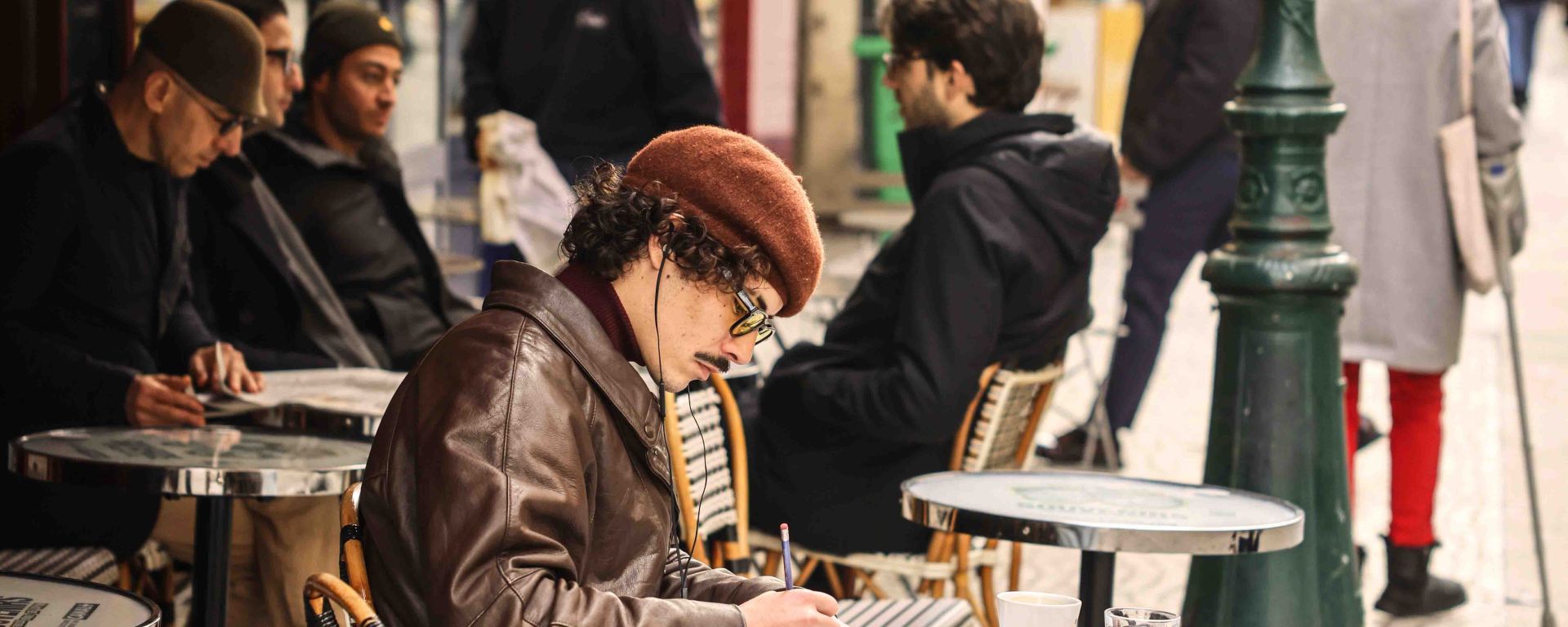
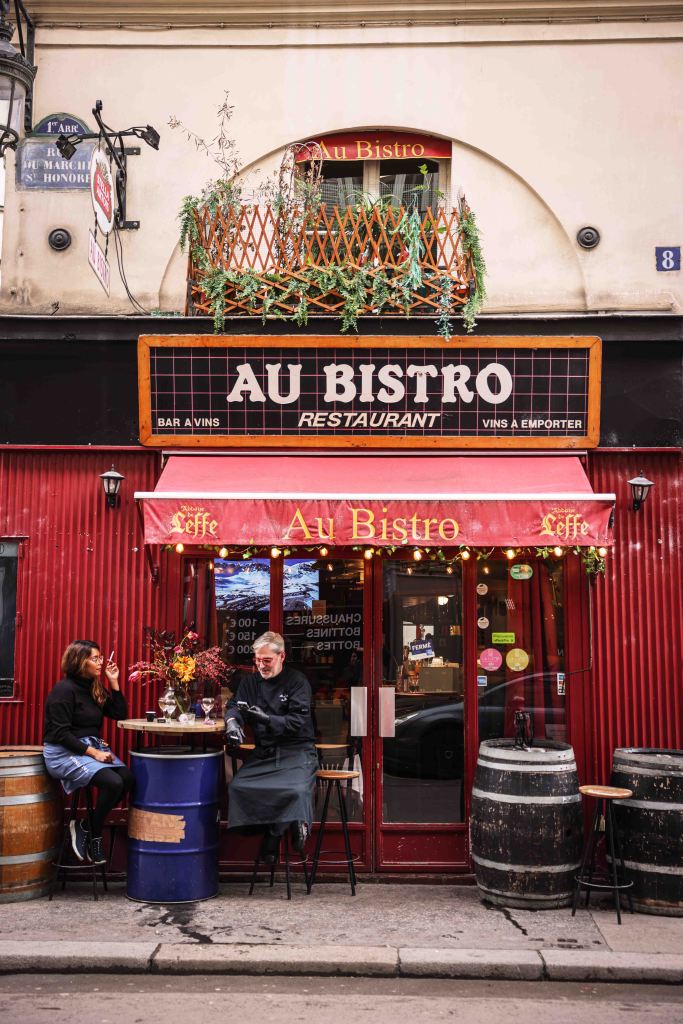
2. The Cult of the Flâneur To be a flâneur is to wander without a destination. In our hyper-productive world, wandering is seen as a waste of time. To the French, it is the highest form of mental activity. When you walk through the 1st Arrondissement, don’t use Google Maps. Get lost. Look at the ironwork on the balconies. Watch the way the waiter at the café pours the water. This observation is where the “glimpses” of life happen.
3. Disagreeing is a Love Language If a French person disagrees with you at a dinner party, congratulations! They like you. A heated debate about politics, philosophy, or whether the butter should be salted (it should, if you’re in Brittany) is the sign of a successful evening. Agreement is boring. La discussion is the oxygen of French social life.
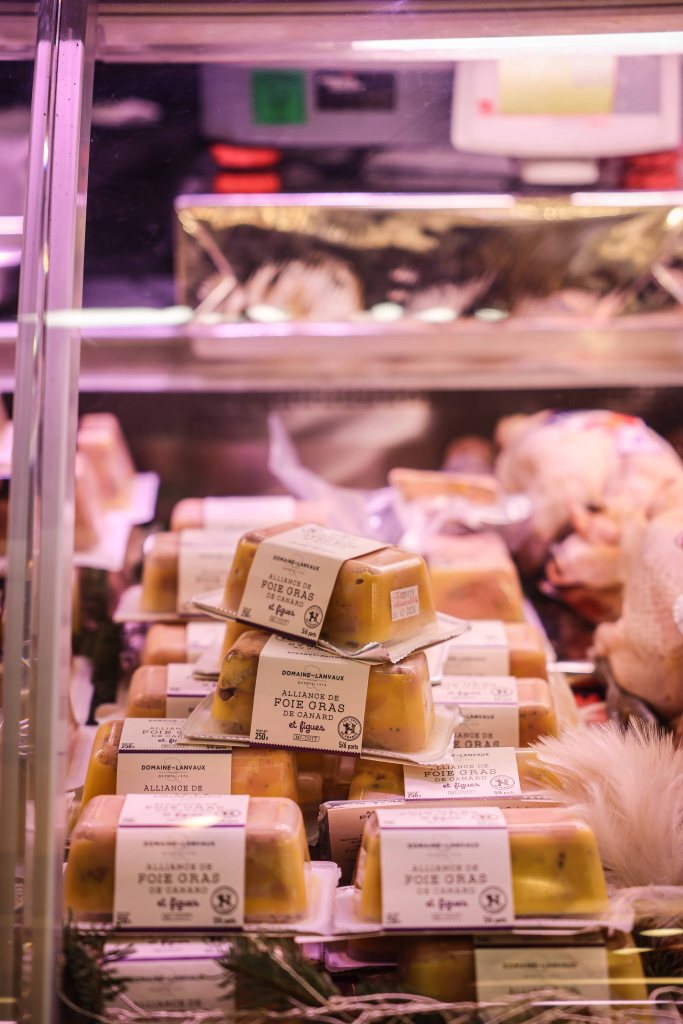
IV. Domestic Grace: The French Home
Finally, to be truly French is to treat your home as a sanctuary, not a showroom.
1. Lighting is Everything Never use the “big light” (the overhead fixture). The French home is lit by a thousand small lamps, candles, and the glow of the streetlights outside. It creates an atmosphere of mystery and intimacy.
2. The Sunday Market Sunday morning is for the market. You go with your wicker basket, you talk to the man who sells the leeks, you buy a rotisserie chicken that smells of rosemary, and you feel, for a moment, that the world is exactly as it should be.
The Joie de Vivre
Being French isn’t about where you were born. It’s about a refusal to rush. It’s about knowing that a 4€ glass of wine enjoyed on a terrace is better than a 100€ bottle drunk in a hurry. It’s about finding beauty in the “glimpses”—the way the light hits a limestone wall, the sound of a scooter on cobblestones, the perfect silence of a library.
So, tomorrow morning, put on your scarf, buy your baguette, eat the end of it before you get home, and when someone asks how you are, just shrug and say, “Pas mal.” You’re halfway there.
Discover more from French Glimpses
Subscribe to get the latest posts sent to your email.
