

Visiting Paris in April 2026? While the lines at the Louvre and Orsay grow longer, a far more intimate and majestic experience awaits in the heart of the Marais. The new exhibition at the Musée des Archives Nationales, “Lafayette: The Memory of Liberty,” is currently the most talked-about cultural event for those in the know. Hosted in the breathtaking Hôtel de Soubise—often called Paris’s “Mini-Versailles”—this limited-run show offers a rare glimpse into the private life of the Marquis de Lafayette.
Beyond the famous revolutionary relics, the 2026 exhibition features unprecedented loans of private family portraits, including the moving paintings of Lafayette’s daughters, Anastasie and Virginie. If you are looking for the best hidden museums in Paris and a quiet sanctuary away from the tourist crowds, the Hôtel de Soubise is your essential April destination. In this guide, I’ll take you through the golden Rococo salons, the tragic final letters of Marie-Antoinette, and the peaceful secret gardens that make this palace a true Parisian sanctuary.
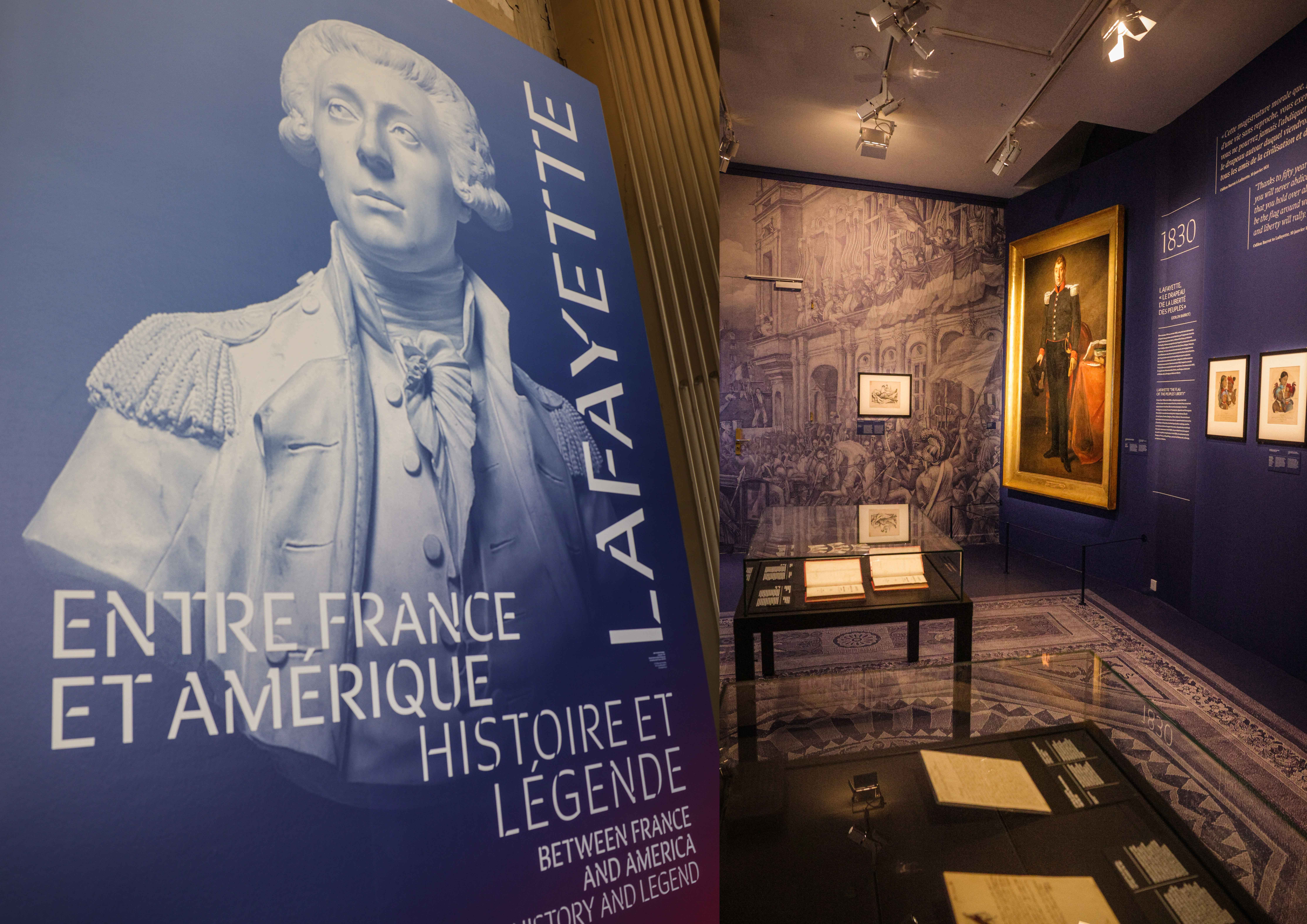
In this in-depth exploration, we enter the Parisian “Mini-Versailles” to encounter the man, the myth, and—perhaps even more moving—the women who held his heart.
I. The Setting: A Palace for the Memory of France
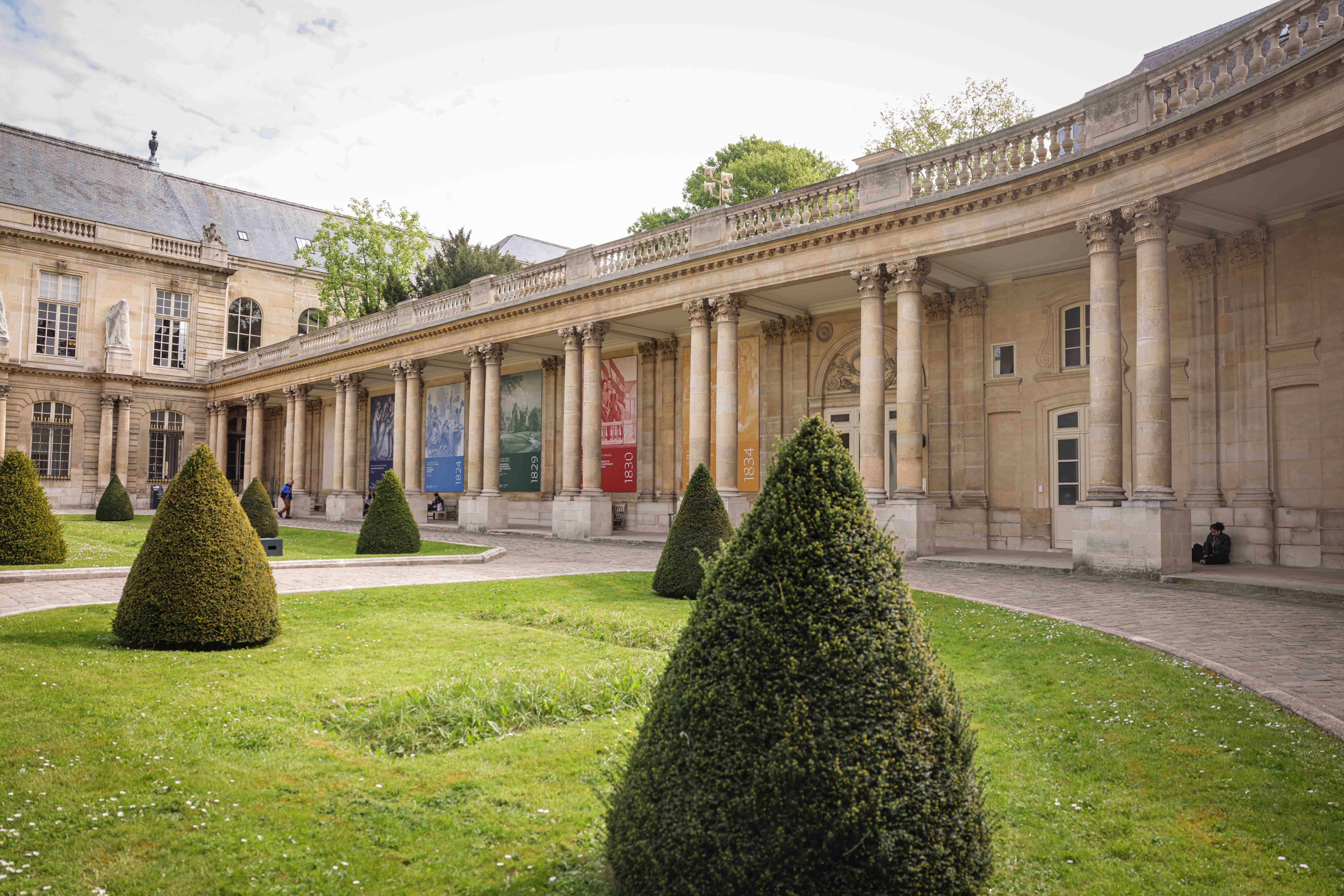
Before discussing the exhibition, it’s worth mentioning its location. The National Archives Museum is housed in the Hôtel de Soubise, which remains, in my opinion, the city’s most overlooked architectural masterpiece.
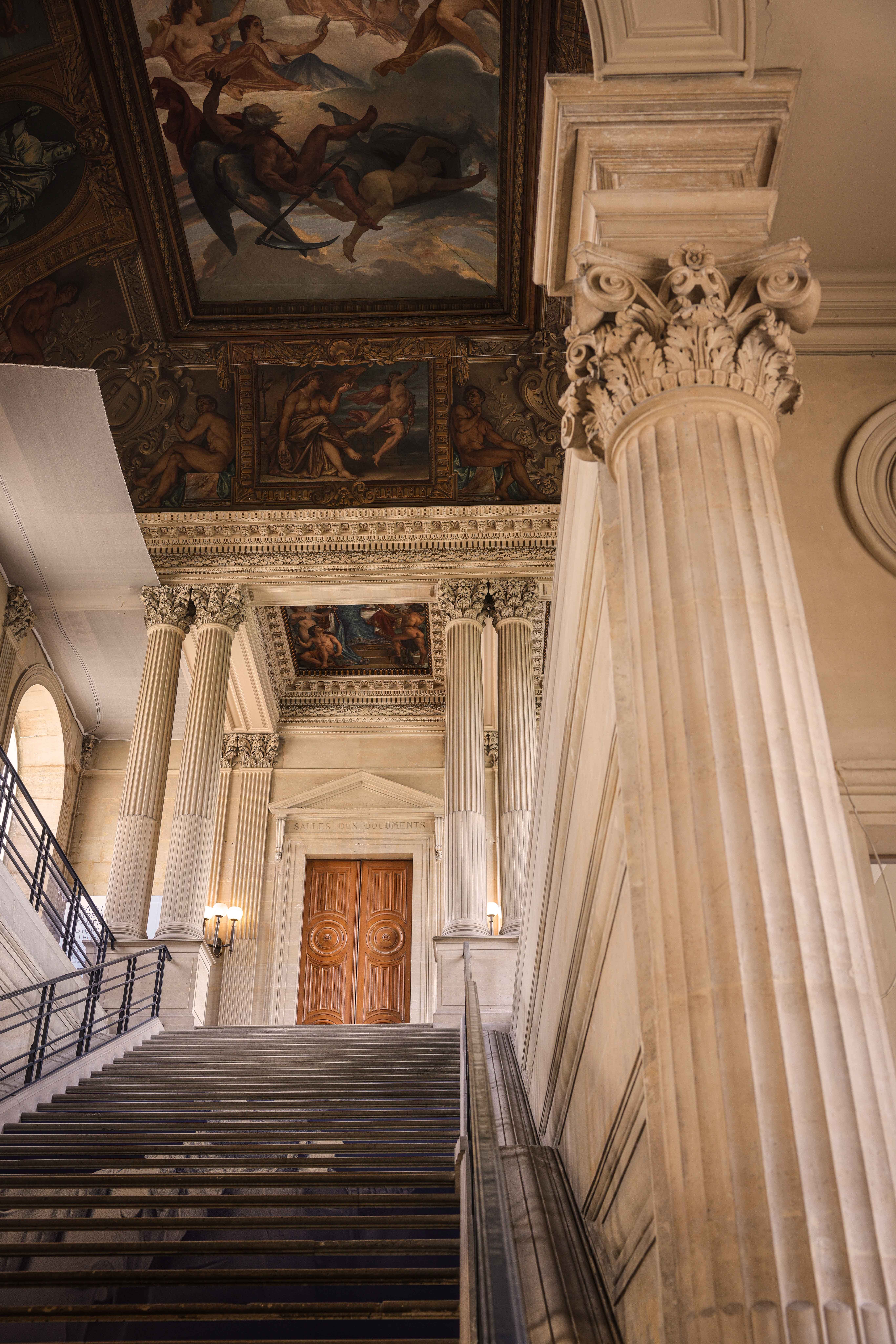
Entering the Cour d’Honneur is a true journey through time. Built in the early 18th century for the Prince and Princess of Soubise, it represents the pinnacle of French Rococo. If the Louvre symbolizes power and the Centre Pompidou the future, the Soubise is an ode to texture. The texture of the patinated stone, of the moss growing in the crevices of the classical statues representing the four seasons, and of a silence so profound that one can almost hear the whisper of history.
For the casual stroller, it’s the “Versailles of the Marais.” Here you’ll find the gilded moldings, the sky-blue ceilings of the Oval Room, and the intricately carved parquet floors, but without the velvet ropes or the throngs of tourists. It’s a place where you’re invited to linger, breathe, and remember.
II. Lafayette: The Hero of Two Worlds in April 2026
The exhibition currently adorning these rooms is a masterpiece of curatorial art. Gilbert du Motier, Marquis de Lafayette, is a name familiar to every American schoolchild, yet in France, he often remains a figure shrouded in a strange aristocratic mystique.
Walking through the first rooms of the exhibition, I was struck by the sheer audacity of his life. We see the young Lafayette, aged nineteen, defying the orders of King Louis XVI to buy his own ship and cross the Atlantic to join a revolution he barely understood, but whose justness he instinctively felt.
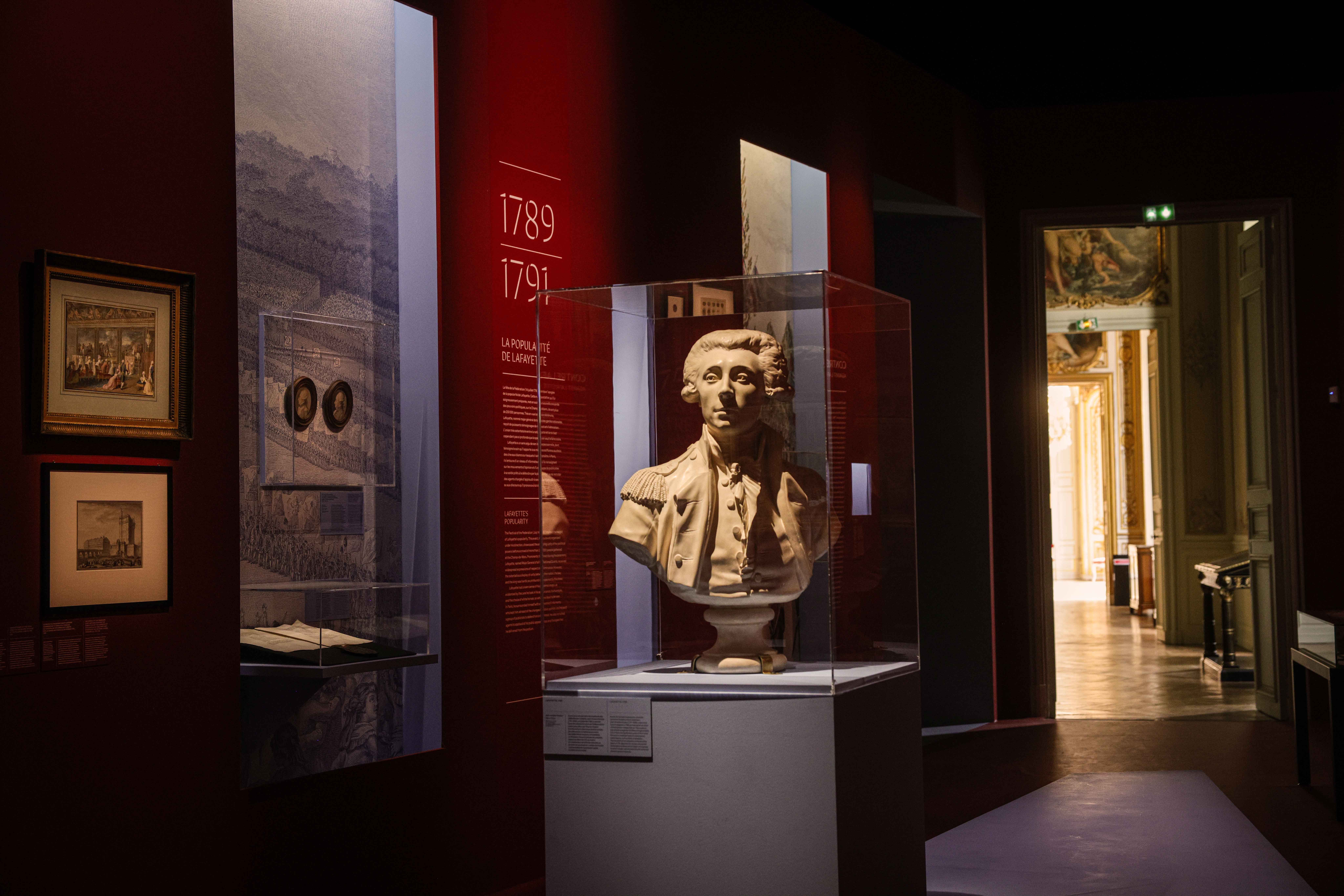
The 2026 exhibition brilliantly presents the “Lafayette of the Archives.” It’s not just about stories, but also about tangible objects. You can stand just inches away from the original correspondence between Lafayette and George Washington. A deep shiver runs down your spine at the sight of Washington’s pen ink, addressing Lafayette as “my adopted son.” In the quiet of the dimly lit rooms of the Soubise Museum, these letters seem like living whispers.
III. The Heart of the Exhibition: Portraits of the Daughters
While the military maps and revolutionary swords are impressive, the true “French glimpse”—this intimate and human moment—is revealed toward the end of the exhibition. For the first time in years, several private portraits of Lafayette’s daughters are brought together.
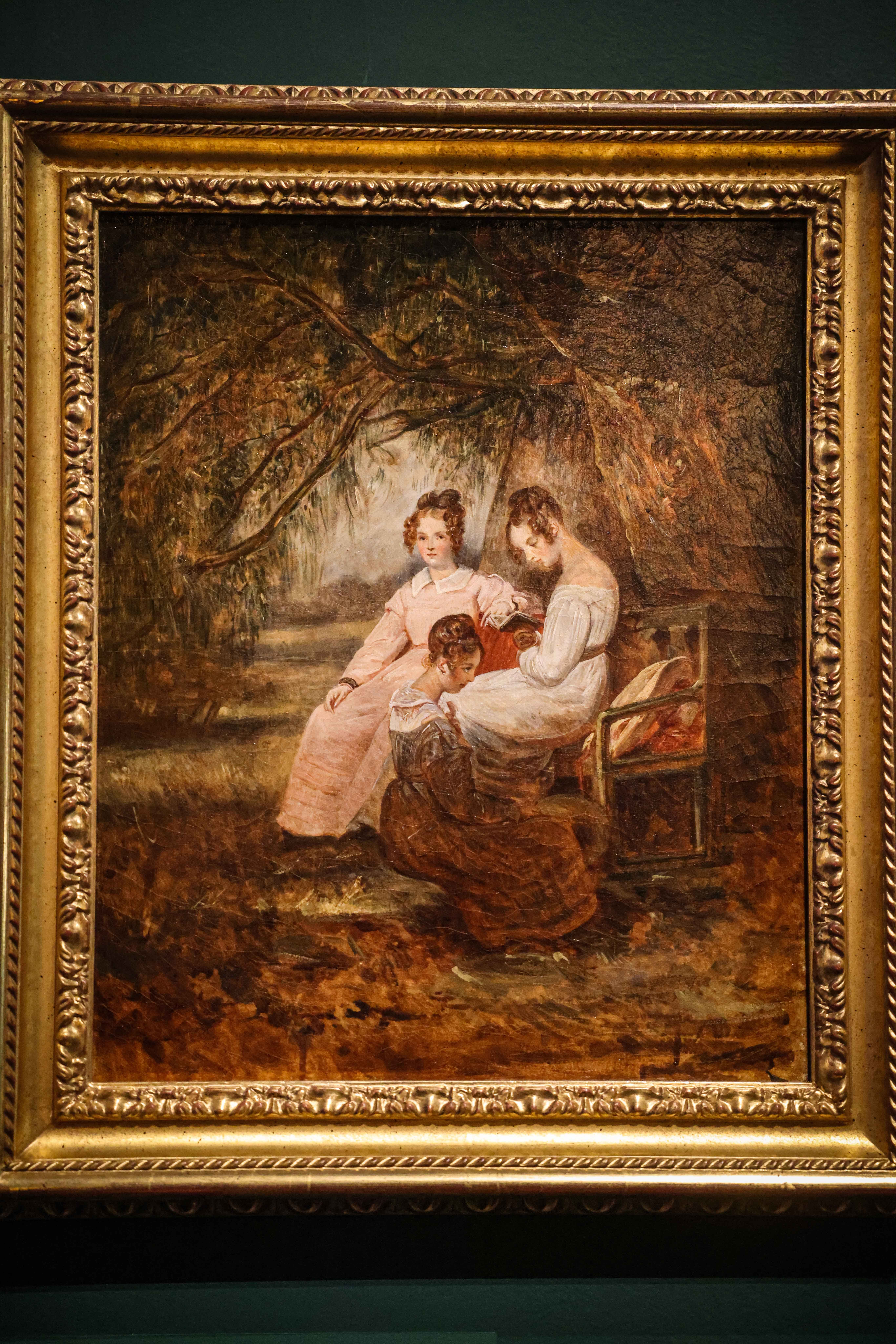
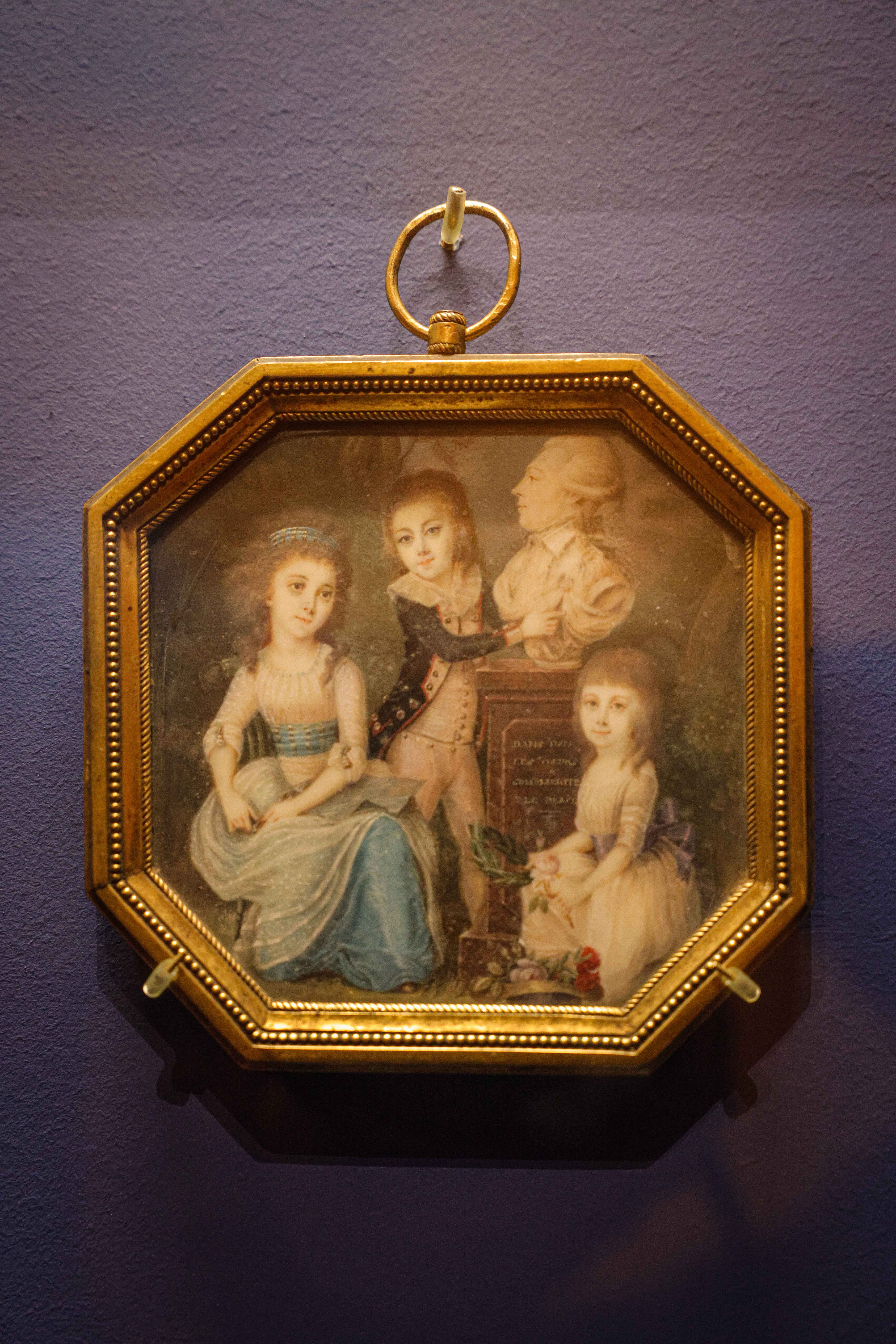
Lafayette and his wife, Adrienne, had three children who reached adulthood: Anastasie, Virginie (named in homage to Virginia), and their son, George Washington.
The portraits of Anastasie and Virginie are striking. Bathed in the gallery’s soft light, they are perceived not as historical figures, but as young women who lived through one of the most terrifying periods in human history. During the Reign of Terror, while their father was imprisoned in an Austrian fortress, these young women and their mother narrowly escaped the guillotine.
A Closer Look: Observe Virginie’s portrait closely. Her gaze blends the stoicism of the Napoleonic era with a profound and sensitive intelligence. These girls were not merely the “children of a hero”; they were his pillar of strength. When Lafayette was finally released from prison, it was his daughters who helped the family rebuild their lives at La Grange.
Contemplating these paintings inside the Hôtel de Soubise—a building that survived the same Revolution that nearly cost them their lives—creates a narrative loop of profound emotion. It reminds us that behind every “Great Man” of history is a family that suffered the consequences of its greatness.
IV. Marie Antoinette’s Last Letter: A Constant Echo
One cannot visit the National Archives, even those dedicated to Lafayette, without paying homage to the permanent resident of these walls: Marie Antoinette’s last letter.
Kept in the Iron Cabinet, it is skillfully highlighted by the exhibition, which draws a parallel between Lafayette’s revolutionary ideals and the tragic end of the monarchy he served. Lafayette was the man who had to protect the royal family from the mob at Versailles; he was the one who kissed the queen’s hand on the balcony to quell the riots.
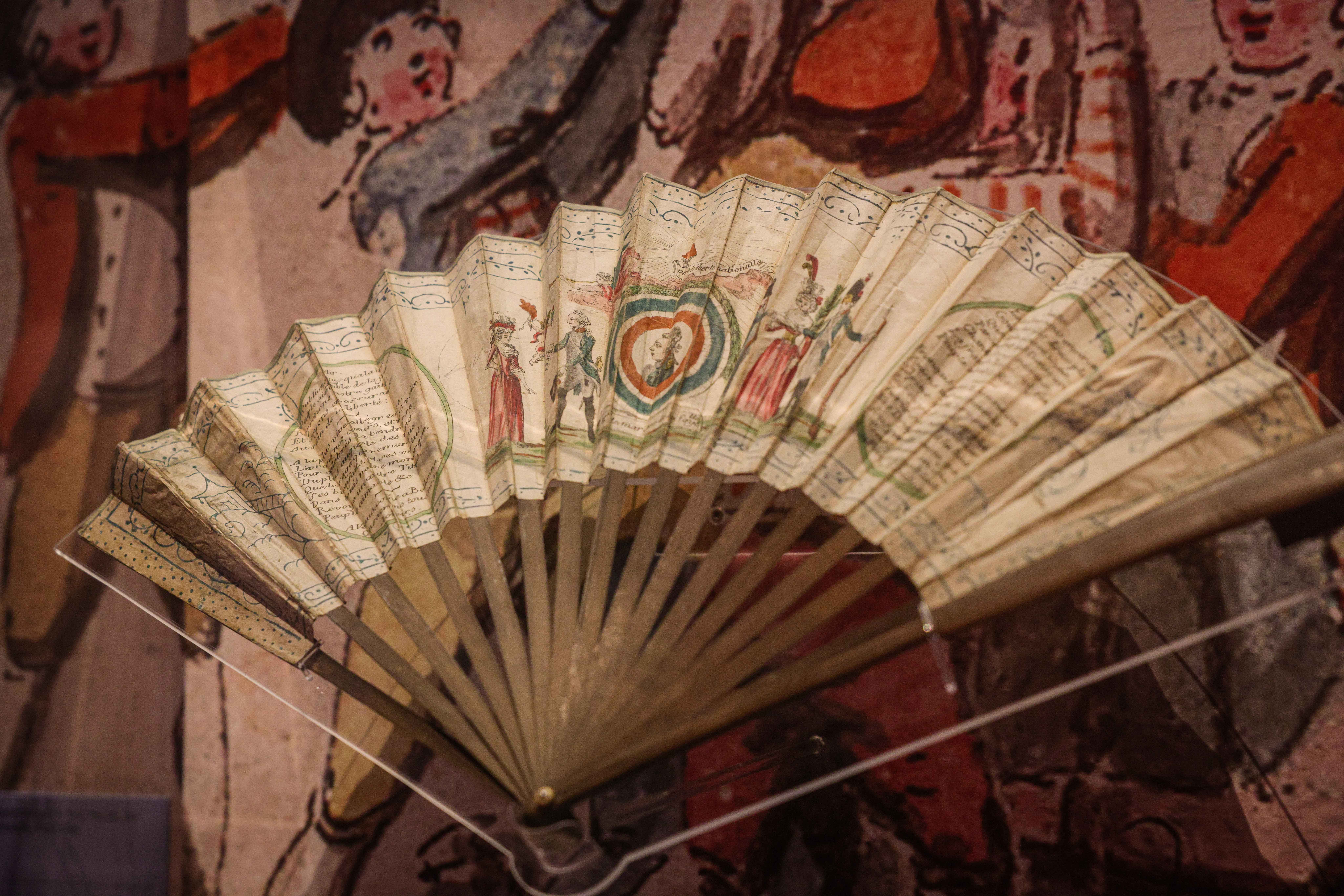
Today, contemplating Lafayette’s optimistic letters on liberty, juxtaposed with the queen’s last trembling and desperate words to Madame Élisabeth, one feels the full weight of the French paradox. Liberty was won at the price of a bloody and exorbitant war, and Lafayette found himself at the very heart of this turmoil.
V. The Gardens: A Haven of Peace in April
After the emotional intensity of the exhibition, the museum offers a perfect antidote: its gardens.
For an ideal April afternoon, take my advice: leave the exhibition and turn right to venture into the network of “hidden” gardens that surround the complex. In April, the Jardin de l’Hôtel d’Assy is at its peak. The wisteria is just beginning to burst into bloom, and the benches are filled with Parisians reading their morning papers.
VI. Why This Exhibition Is a Must
For my Francophile and leisurely friends, this Lafayette exhibition is much more than a simple history lesson. It’s a reminder of what makes us love Paris. We love him because the past is never truly “past.” It’s buried in iron chests; it’s painted on the canvases of forgotten women; it’s etched into the sky-blue ceilings of a princely salon.
Lafayette embodies the best of the Franco-American spirit: an insatiable thirst for liberty, tempered by an old-fashioned sense of honor. Discovering his story at the National Archives is to see Paris in all its authenticity.
Practical information for the stroller (April 2026)
The exhibition: Lafayette: The Memory of Liberty. Until the end of June 2026 at the National Archives Museum.
The best time to visit: Arrive at 10 a.m. on weekdays. You’ll likely have the Oval Room and the Lafayette portraits all to yourself.
The “secret” viewpoint: Don’t forget to look out the windows on the first floor of the Hôtel de Soubise. The view overlooking the Cour d’Honneur is one of the most symmetrical and pleasant in all of Paris.
Entry: Access to the gardens is free. There is an entrance fee for the museum and exhibition (generally between €8 and €10), a modest price considering the wealth of historical information on display.
Discover more from French Glimpses
Subscribe to get the latest posts sent to your email.
