There is a unique magic in sitting at a Parisian café terrace. With a café au lait in hand and a notebook open on the round wicker table, it is easy to feel the lingering spirits of the world’s greatest minds. For decades, the cafés of Paris were not just places to drink coffee; they were open-air living rooms, heated offices, and debate halls for the lost generation, avant-garde artists, and revolutionary writers.
If you are a francophile dreaming of the ultimate Parisian cultural experience, skipping the standard tourist traps is a must. Instead, you need to step into the exact spaces where history was written.
From Saint-Germain-des-Prés to the roaring hubs of Montparnasse, here is your ultimate guide to the most historic cafés in Paris that every writer, artist, and book lover must visit at least once.
1. Café de Flore: The Epicenter of Existentialism
(Neighborhood: Saint-Germain-des-Prés)
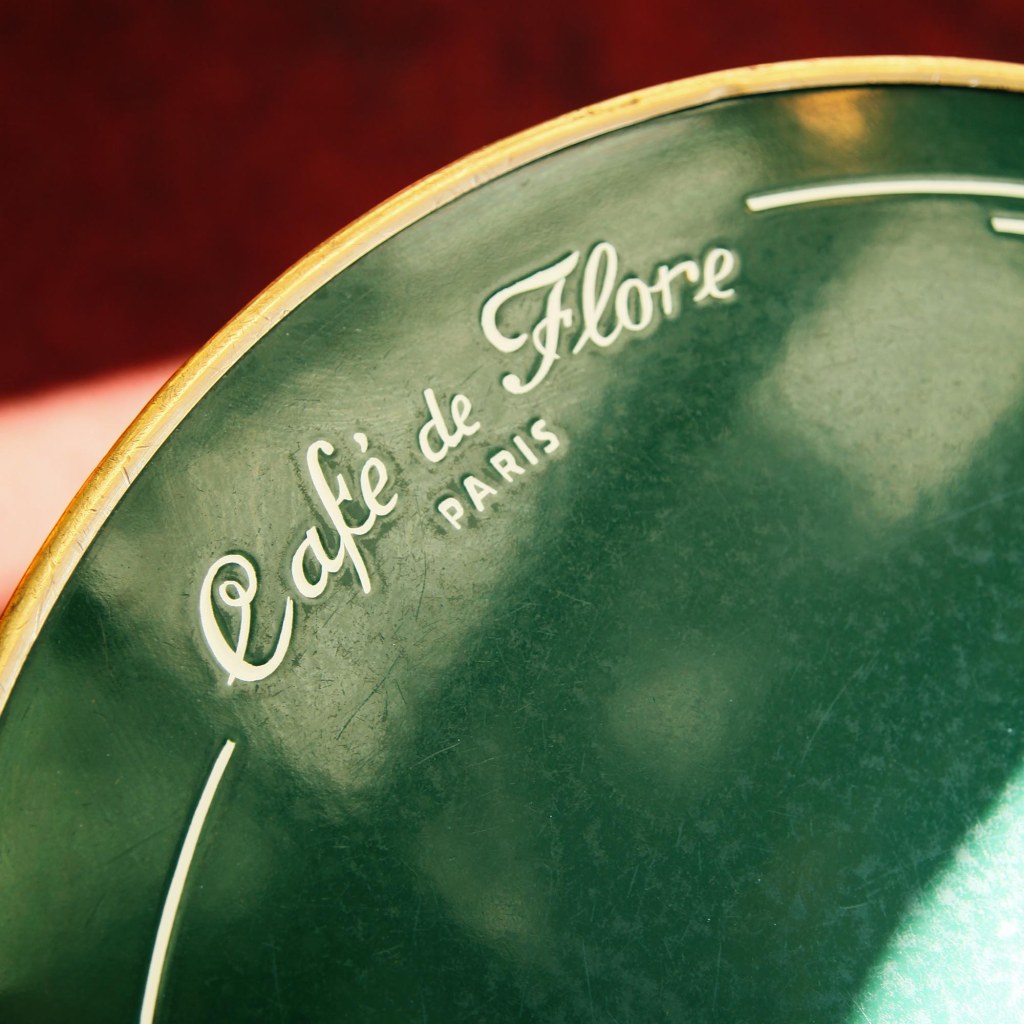
No list of historic Parisian cafés is complete without Café de Flore. Opened in the 1880s during the French Third Republic, its classic Art Deco interior—complete with mahogany seats and red booths—has barely changed.
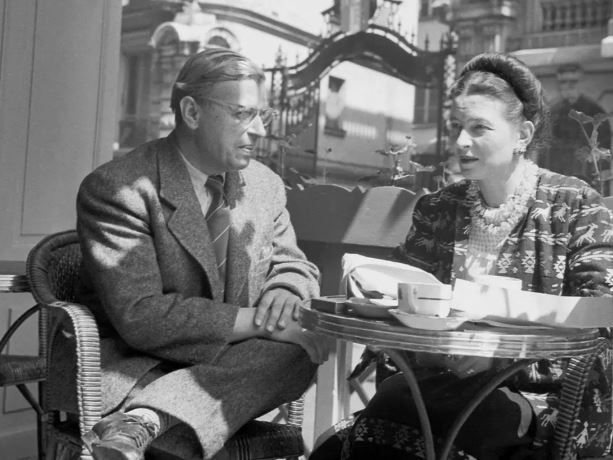
During the 1940s, Jean-Paul Sartre and Simone de Beauvoir famously set up camp here. They used the café as their private, heated office, writing the foundations of Existentialist philosophy right at these tables. Albert Camus, Pablo Picasso, and later, the icons of French cinema and fashion, all called the Flore home.
- The Vibe today: Utterly chic and bustling. It is the perfect spot for people-watching on the Boulevard Saint-Germain.
- What to order: A traditional chocolat chaud chaud (hot chocolate), served in their iconic porcelain pitcher.
- Literary connection: Grab a copy of Simone de Beauvoir’s essays before you go to read it in situ.
2. Les Deux Magots: The Flore’s Literary Rival
(Neighborhood: Saint-Germain-des-Prés)
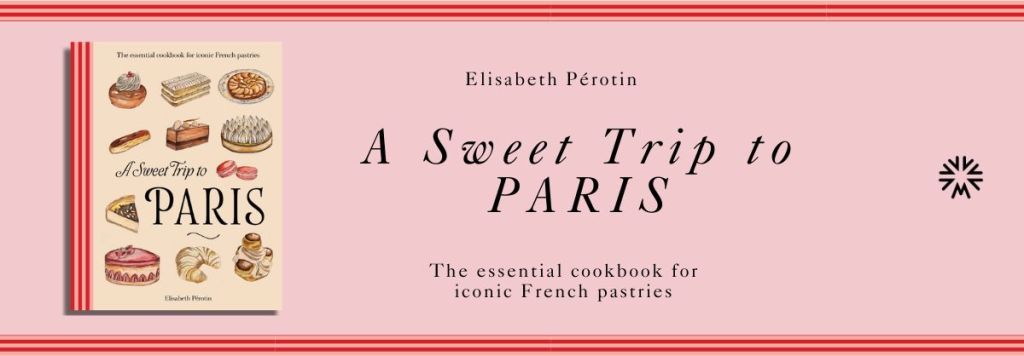
Directly across the pavement sits Les Deux Magots, the eternal rival of Café de Flore. Named after the two Chinese wooden statues (magots) inside that still gaze over the dining room, this café became the literal headquarters of the Surrealist movement led by André Breton.
This is the café most famously associated with the “Lost Generation.” Ernest Hemingway, F. Scott Fitzgerald, and James Joyce would gather here to drink, argue, and share drafts of their masterpieces.
- The Vibe today: Classic Parisian elegance with a gorgeous view of the Saint-Germain-des-Prés church (the oldest in Paris).
- What to order: The Café Gourmand (an espresso served with a selection of miniature French pastries).
3. La Rotonde: The Roaring Hub of Montparnasse
(Neighborhood: Montparnasse)
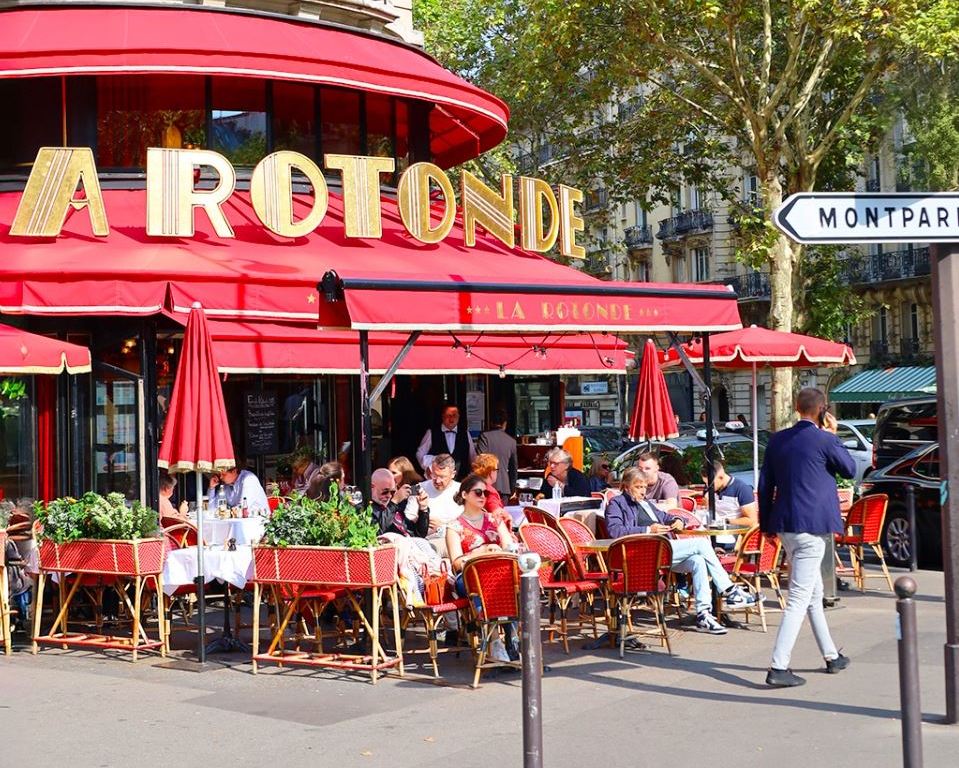
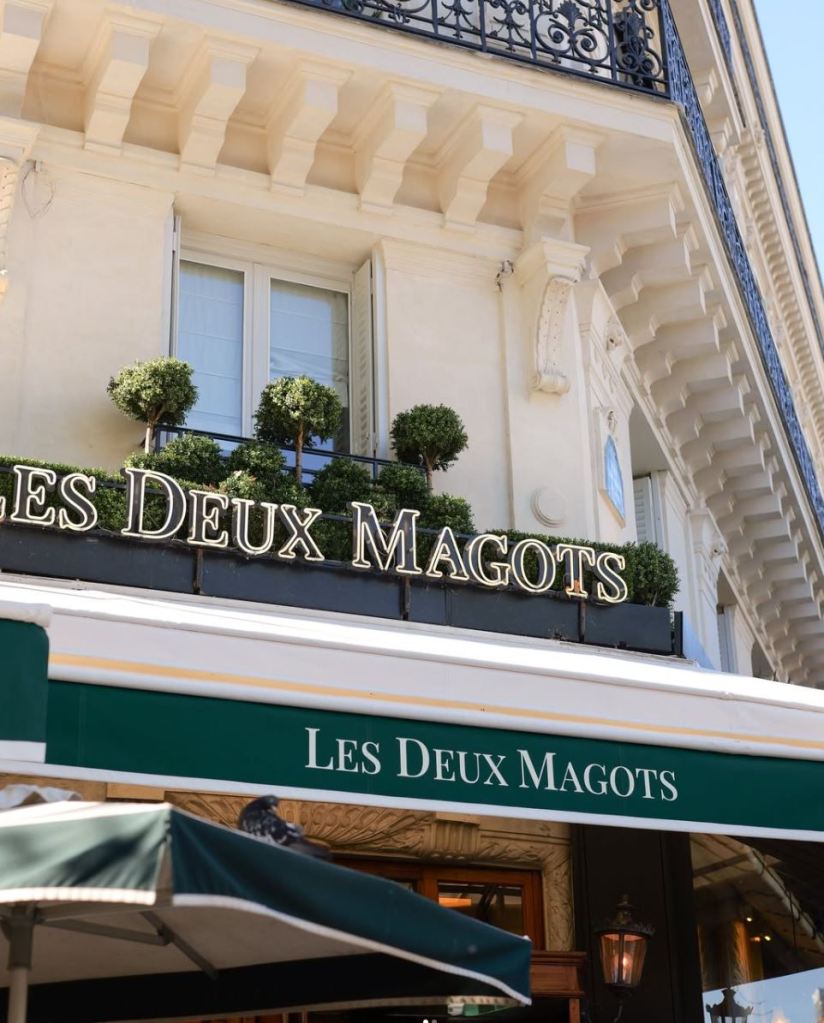
While Saint-Germain was for the writers, Montparnasse was for the painters. In the 1910s and 1920s, La Rotonde was the absolute center of the artistic avant-garde.
The owner, Victor Libion, was famous for letting impoverished artists sit for hours over a single ten-centime cup of coffee. He even allowed them to pay for their meals with drawings if they were short on cash. Because of this, the café attracted geniuses like Amedeo Modigliani, Pablo Picasso, Nina Hamnett, and Jean Cocteau.
- The Vibe today: Distinctive plush red decor, brass details, and a slightly more upscale, brasserie-style dining experience.
- What to order: A classic French lunch, such as a perfectly executed Steak Frites or Sole Meunière.
4. Café Procope: The Oldest Café in Paris
(Neighborhood: Latin Quarter / Odéon)
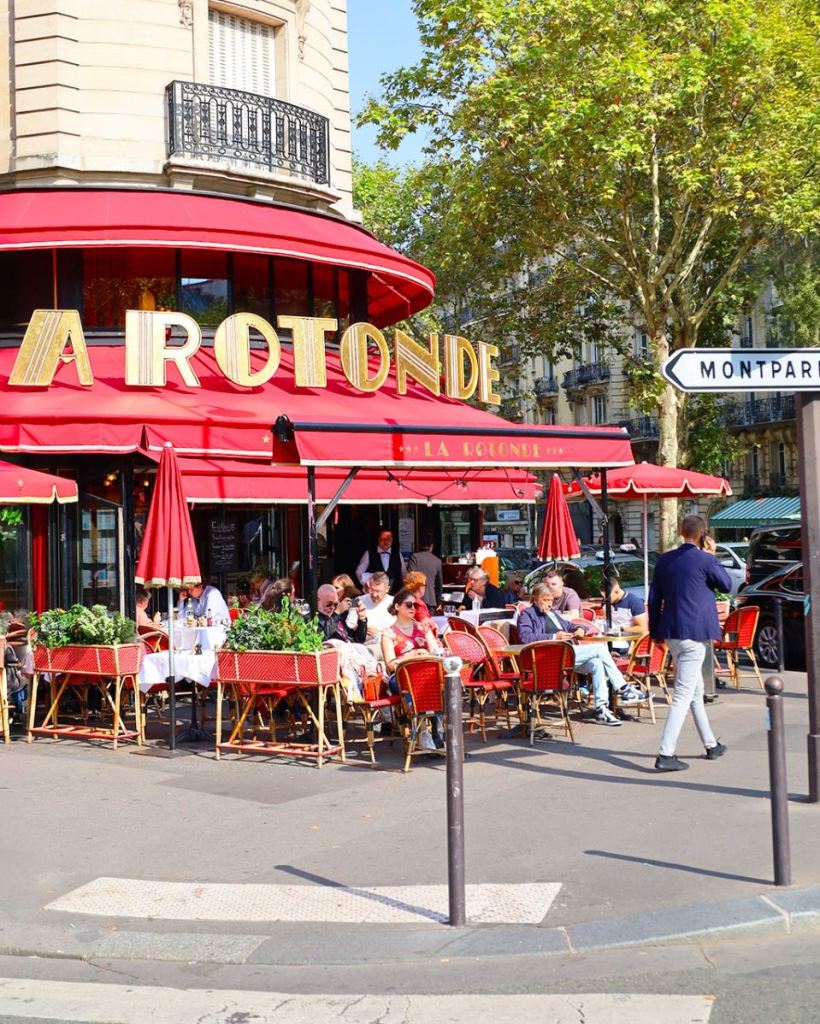
If you want to step back even further into history—long before Hemingway or Picasso—you must visit Café Procope. Founded in 1686 by the Sicilian Francesco Procopio dei Coltelli, it is widely recognized as the very first literary café in the Western world.
Procope was the cradle of the Enlightenment. This is where Voltaire, Rousseau, and Denis Diderot met to discuss philosophy and compile the world’s first Encyclopedia. Later, during the French Revolution, Maximilien Robespierre and Benjamin Franklin walked these historic floors.
- The Vibe today: It feels like walking into a museum. The walls are lined with historic documents, crystal chandeliers, and Voltaire’s original marble desk is still on display.
- What to order: Traditional French onion soup (Soupe à l’oignon gratinée).
How to Experience Parisian Café Culture Like a Local
To truly enjoy these historic spaces without feeling like a rushed tourist, keep these unwritten rules of the Parisian café in mind:
- Take Your Time: Once you buy a drink, the table is yours for as long as you like. The waiter will not rush you or bring the bill until you explicitly ask for it (“L’addition, s’il vous plaît”).
- Price by Location: Drinking at the bar (au comptoir) is always cheaper than sitting at a table inside, which is cheaper than sitting outside on the terrace. On the terrace, you are paying for the view and the experience.
- Bring a Notebook: Do as the greats did. Put away the smartphone, open a paper journal or a good book, and let the atmosphere of Paris inspire your creativity.
Discover more from French Glimpses
Subscribe to get the latest posts sent to your email.
