“The kings of strikes and rebellion are also the kings of the “joie de vivre”, a truly “Sacré “ French paradox.
The French are viewed by the rest of the world as masters of rebellion and grumbling. And yet, there is a paradox that I find surprising: Although the French are the undisputed champions of strikes and demonstrations of all kinds, they are also known for their “Joie de vivre”, that quintessentially French concept popularized by certain famous writers.
After all, between bouts of complaining, the French love to indulge in life’s simplest pleasures, like the art of “flânerie” (aimless strolling). It seems that admiring golden light filtering through the leaves or savoring a meal at a well-laid table helps soothe the restless spirit of our inner revolutionaries. Ultimately, however, “Joie de vivre” is a collection of cultural habits, almost reflexes, that can be broken down, understood, and, above all, replicated, no matter where you are in the world. I have outlined them here; it is up to you to adopt them, if you haven’t already…
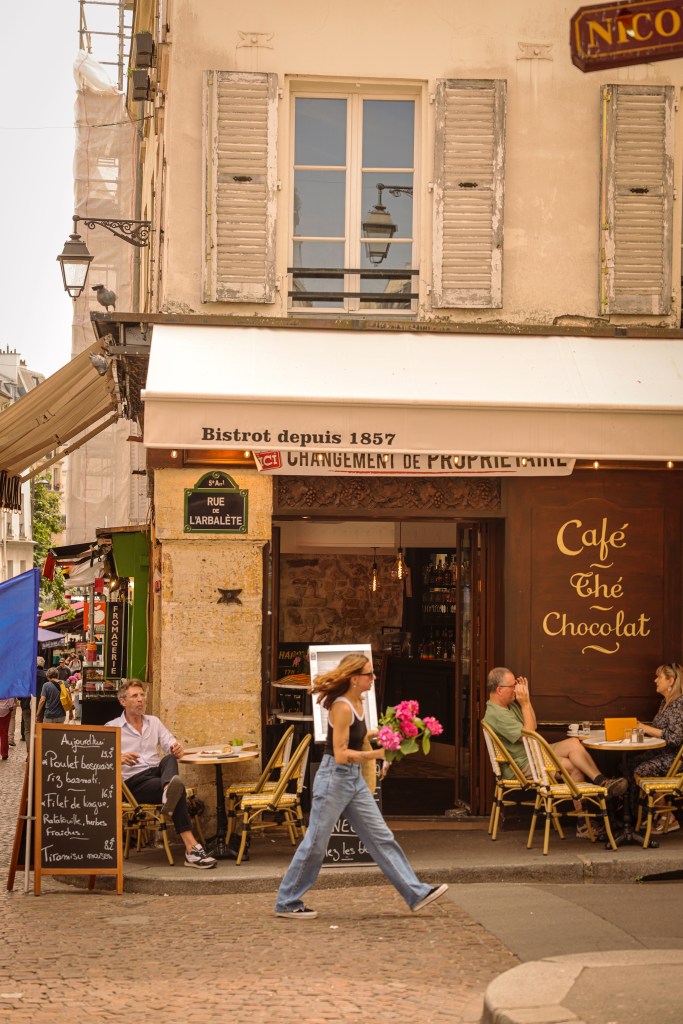
Where French “Joie de Vivre” Comes From
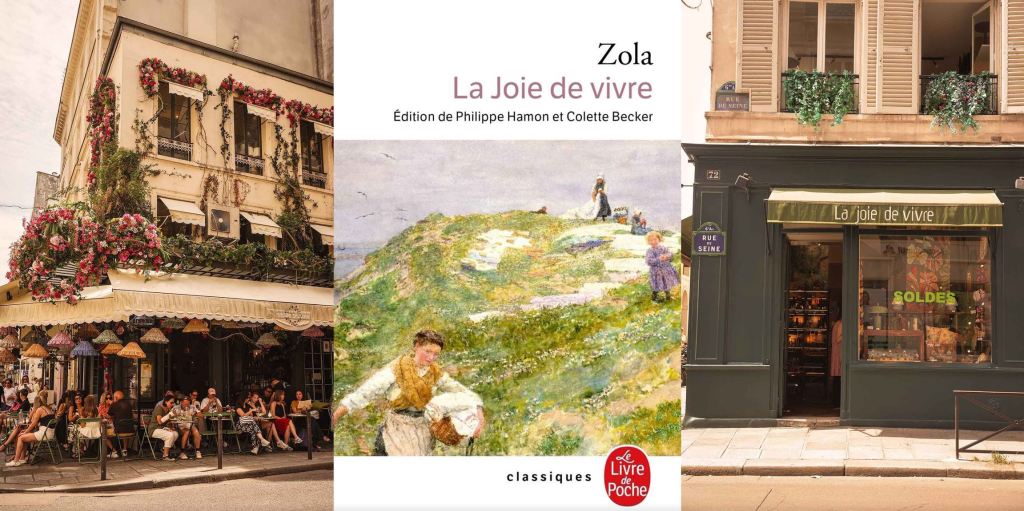
The expression “Joie de vivre” was distilled by 19th-century French writers who celebrated life’s pleasures through their work. Émile Zola was one of the first to popularize the phrase, he even dedicated a novel to it. For him, “joie de vivre” meant appreciating life through happiness and positivity; his characters embodied this by viewing the world through a lens of constant optimism, even in the face of life’s hardships. This text is an ode to the French art of living and the importance of adapting to circumstances while maintaining a sense of happiness.
Ultimately, the French “Joie de vivre” when one reflects on it, stems from the French “Art de vivre”: a certain detachment and positive outlook regarding events, the art of strolling and observing the world around us, taking the time to savor fine meals, and seeing beauty and poetry in imperfection. All of this has been widely celebrated by French writers and artists.
The Art of “Flânerie”: A Praise of Slowness
In the collective imagination,”Flânerie” is associated with the “joie de vivre”. Another writer who celebrated this spirit was Victor Hugo, who viewed the practice as quintessentially Parisian, famously writing in “Les Misérables”: “To wander is human; to stroll (flâner) is Parisian.” Paris is, therefore, the ideal place to indulge in this delightful pastime. Flâner through Paris is to explore the city’s nooks and crannies, the charm of its squares, the mystery of its dead-end streets, and a thousand details that those in taxis or buses never notice, better than anyone else. Personally, when I walk around Paris, I never stick to the main thoroughfares; I prefer taking detours through the small side streets that crisscross them, for that is where I make my finest photographic discoveries.
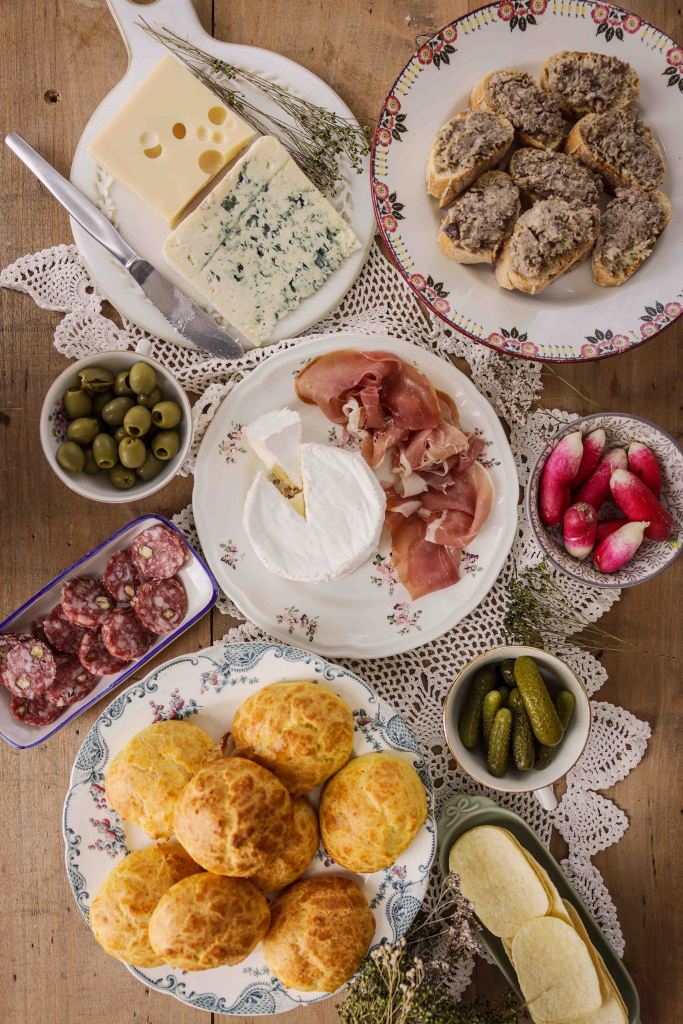
The meal as a sacred interlude
In France, a meal is about more than just satisfying a biological need; it is an opportunity to converse, savor the quality of the ingredients on your plate, appreciate food and wine pairings, and put the world to rights. A meal with friends can easily stretch on for three hours without anyone noticing the time passing. This love of conversation, for the sheer pleasure of chatting and exchanging ideas without a specific agenda, is one of the most powerful pillars of the French “joie de vivre”.
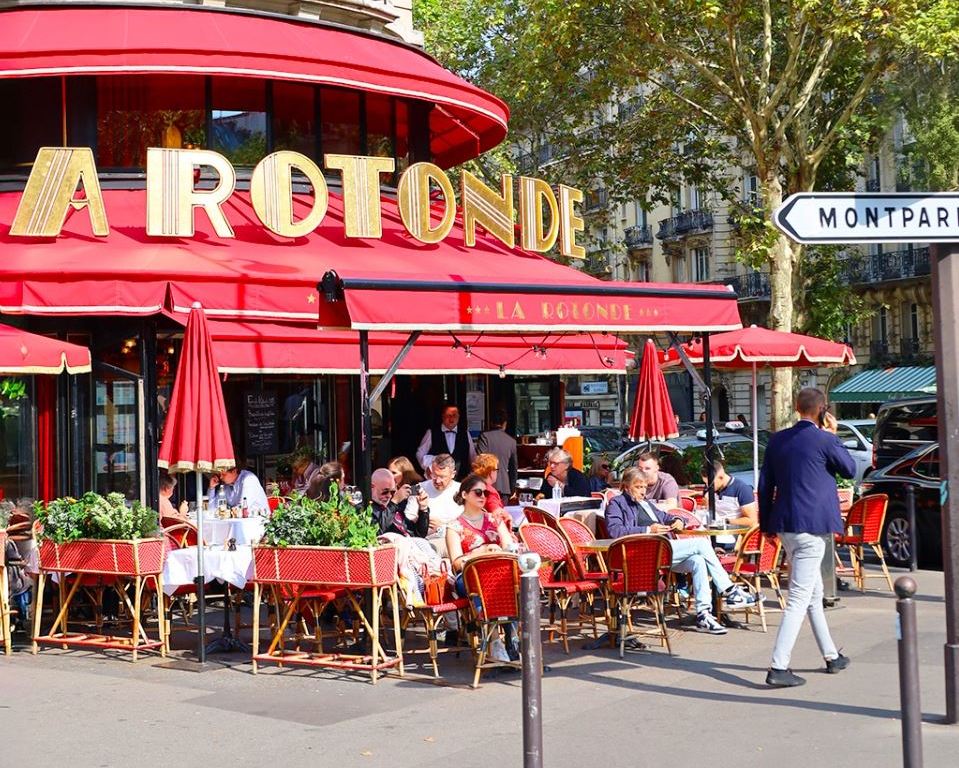
The same applies to coffee breaks or the “apéro” (pre-dinner drinks). In the US or the UK, coffee is often something you down from a paper cup while walking between meetings. In France, coffee, and its evening counterpart, the “the Apéro’“ , is a proper break in its own right, not just a way to speed up your day. You sit down. You watch the world go by. For those ten minutes, you do nothing but drink your coffee; it is precisely this act of doing nothing else that calms the mind, allowing you to return to your activities with the tension drained away.
But you don’t need a Parisian café for this: simply treat yourself to a five- or ten-minute break once a day-no phone, no notifications, no multitasking. Just a hot drink and your thoughts.
Finding beauty in the everyday, not just on special occasions.
We tend to want every social moment to be perfect; we bring out the nice china, the tablecloth is ironed… The French have a different relationship with everyday aesthetics: a fresh baguette bought for an ordinary Tuesday night, a bouquet of seasonal flowers on the kitchen table for no particular reason, a candle lit on a mundane weeknight. It isn’t a waste; it’s a philosophy: why wait for a special event to treat yourself to life’s little pleasures? Starting this week, introduce a simple, low-cost touch of beauty into your daily routine: a flower, a pretty mug, or music you love while you cook.
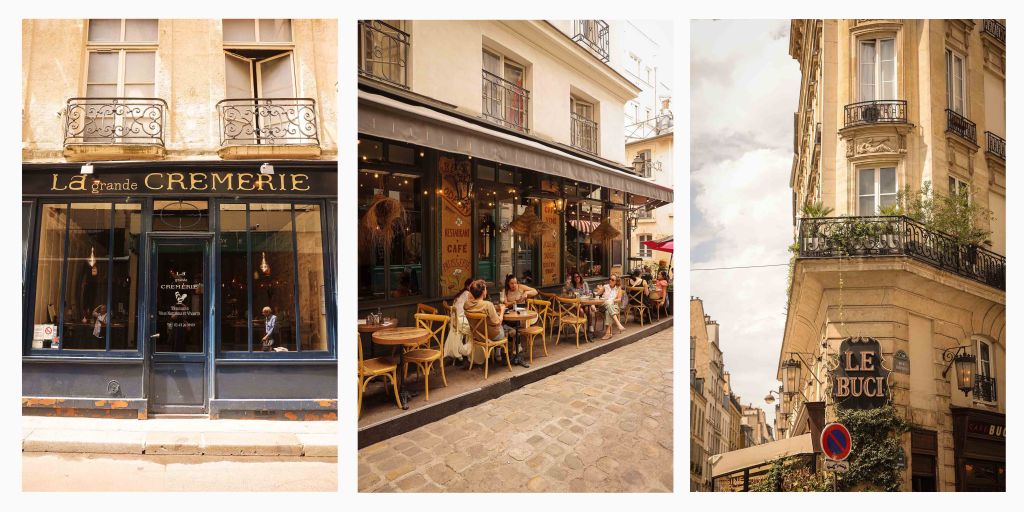
Knowing how to say no (without the guilt)
The French aren’t the type to sacrifice themselves just to please everyone. Declining an invitation that doesn’t appeal to you, taking your full five weeks of paid vacation in one go rather than breaking them up, or closing up shop in August without apologizing… these behaviors, often mocked by more productivity-obsessed cultures, actually stem from a fundamental principle of “joie de vivre”: protecting your time and energy as precious. Next time you’re offered something that doesn’t truly excite you, practice saying no, simply, without a long-winded explanation.
The charm of imperfection
Cheese that’s a little too runny, a wine that isn’t quite the one you’d planned on, a slightly rumpled outfit… the French display a surprisingly relaxed attitude toward imperfection, provided it is embraced with a certain elegance. Sometimes this is called a “je-ne-sais-quoi”, but above all, it represents a rejection of the kind of perfectionism that spoils the pleasure of the moment. Rather than putting off a happy moment because “conditions aren’t ideal,” allow yourself to experience it just as it is, perhaps imperfect, certainly, but authentic; and it is often these moments that make for the best memories.
“Joie de vivre”: a daily choice rather than a birthright
French-style “joie de vivre” is not a geographical privilege; it is a series of daily choices, often tiny ones, that involve slowing down, paying attention, and refusing to constantly put off pleasure for later.
Discover more from French Glimpses
Subscribe to get the latest posts sent to your email.
