
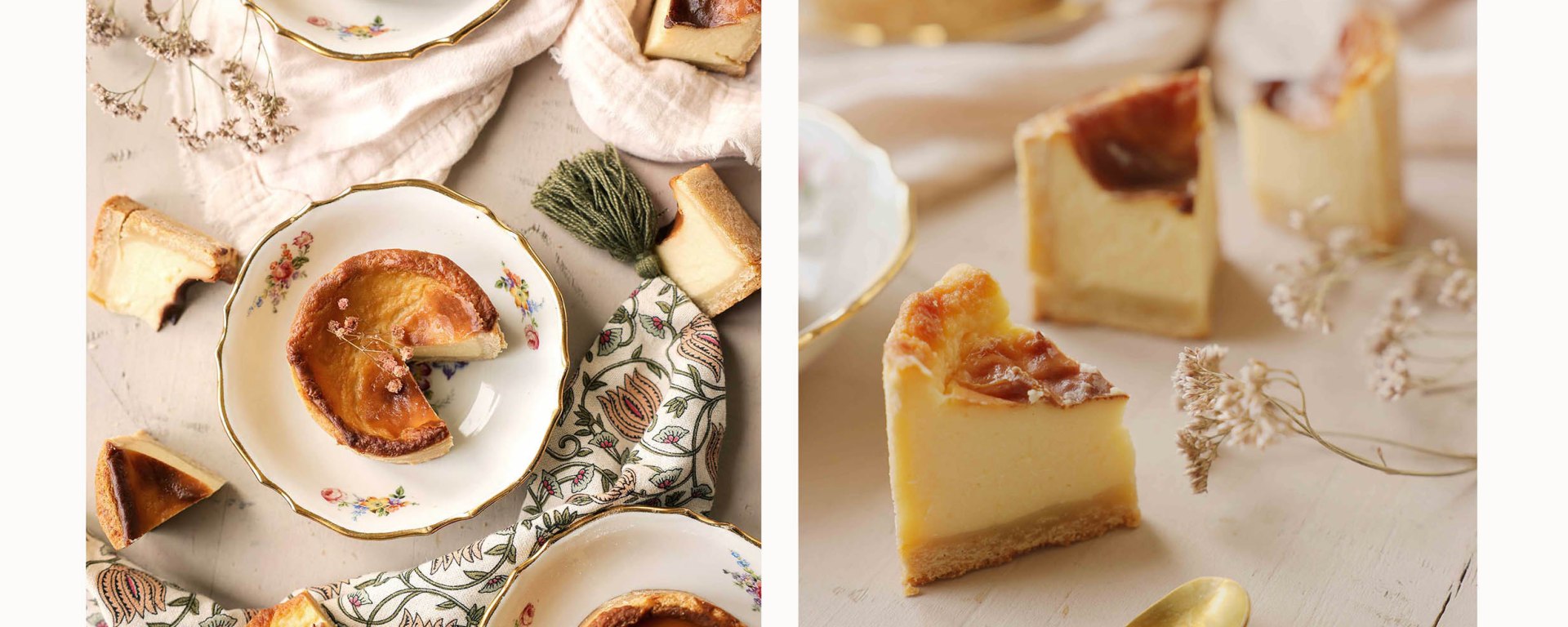
The Secret History of the Flan: A National Obsession
To understand the French people, you must understand their relationship with the flan. It is a dessert that transcends social classes. You will find it in the most modest worker’s cafés in the 19th arrondissement, and you will find it reinvented with premium smoked vanilla in the three-Michelin-starred palaces of the Place Vendôme.
It is, without a doubt, a pillar of French cultural identity. But its origins are surprisingly cosmopolitan.
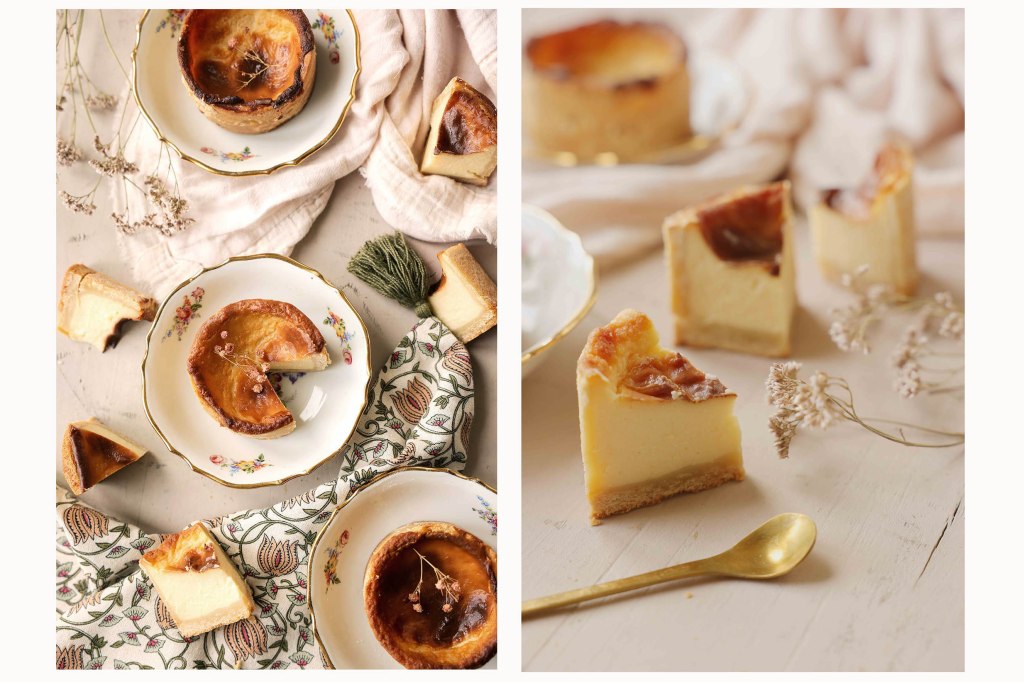
The concept of baking a mixture of eggs, milk, and cream inside a pastry shell dates back to antiquity. The ancient Romans were known to make savory and sweet custards, often setting them with eggs and seasoning them with pepper or honey. In the Middle Ages, variations of this concept spread across Europe. In England, it became the “custard tart” (famous at the coronation feast of King Henry IV in 1399), while in Portugal, it evolved over centuries into the iconic, blistered Pastel de Nata.
However, the specific entity we call the Flan Pâtissier (or Flan Parisien) was truly perfected and codified in the bakeries of Paris during the 19th century. Parisian bakers sought to create a substantial, reliable pastry that could be sold by the slice to workers, students, and busy citizens looking for a rich, affordable afternoon treat. They combined the delicate crispness of French shortcrust pastry with a denser, sturdier version of classic crème pâtissière.
Today, the flan represents a beautiful cultural paradox for the French. In a country that prides itself on artistic complexity, the flan is loved for its absolute sincerity. It cannot hide behind decoration, glaze, or fresh berries. It is completely naked. A true French food lover judges a bakery entirely on two things: the quality of its traditional croissant, and the texture of its flan. It is our ultimate comfort food.
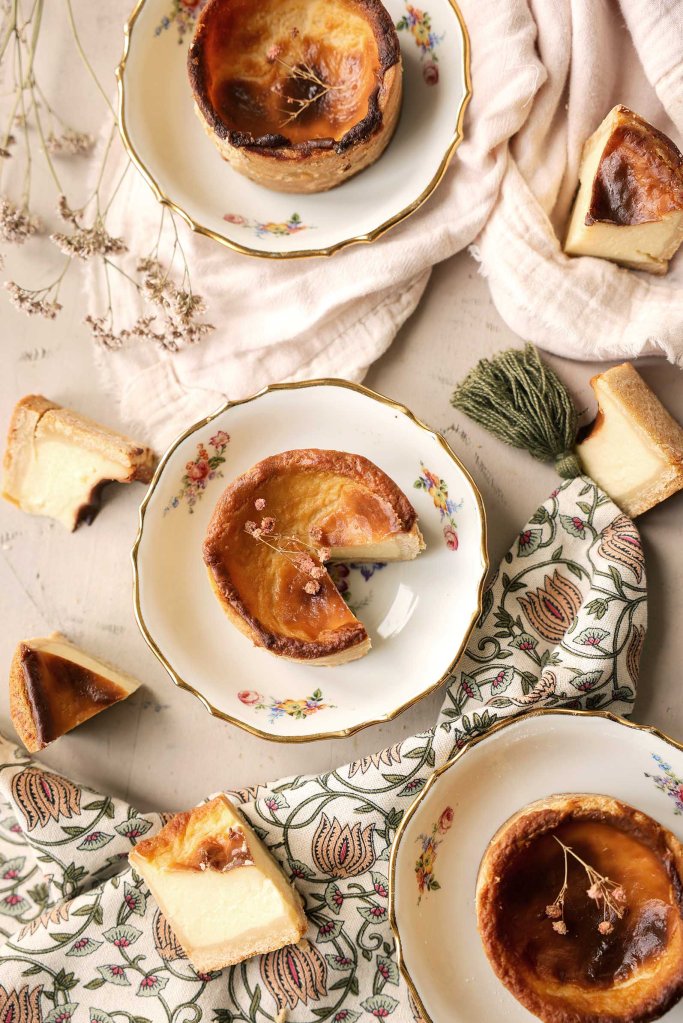
Technical Pro-Tips for Individual Flan Perfection
Baking individual mini-flans requires a slightly different approach than baking a single large cake. Because the surface-to-volume ratio is much higher, you need to be precise to ensure your crust stays crisp and your custard remains velvety. Here are my personal photography and baking tips to ensure success:
Tip 1: The “Two-Piece” Fleshing Method for Mini-Rings
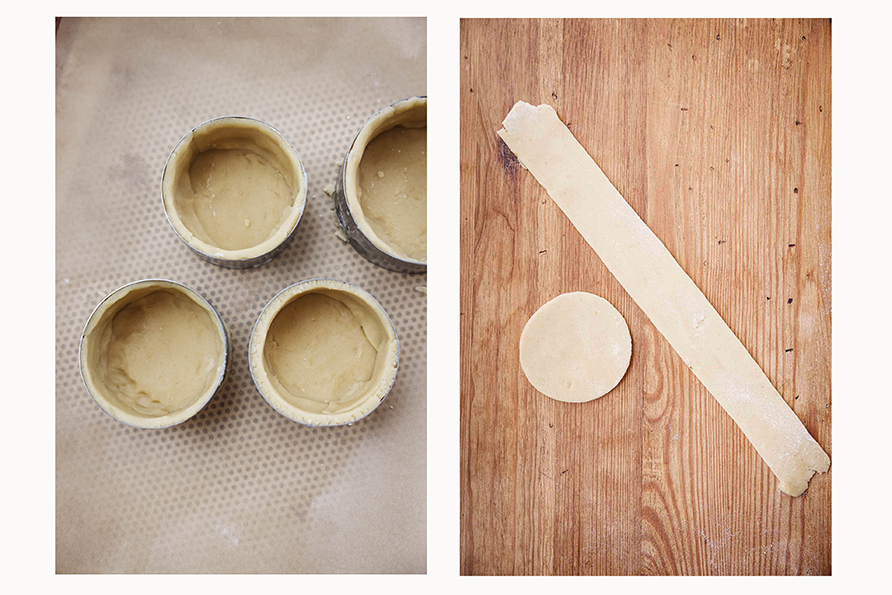
When working with small 8 centimeters pastry rings, trying to force a single circle of delicate pastry down into the ring can cause ugly folds, tears, and uneven thickness.
- The Secret: Use the professional method. Cut a perfect circle of dough exactly the size of the bottom of the ring. Place it inside. Then, cut a long, clean band of dough matching the exact height and circumference of the ring’s interior wall. Line the sides with this band, pressing gently to seal it to the bottom disc.
Tip 2: The Art of the Temperature Shock
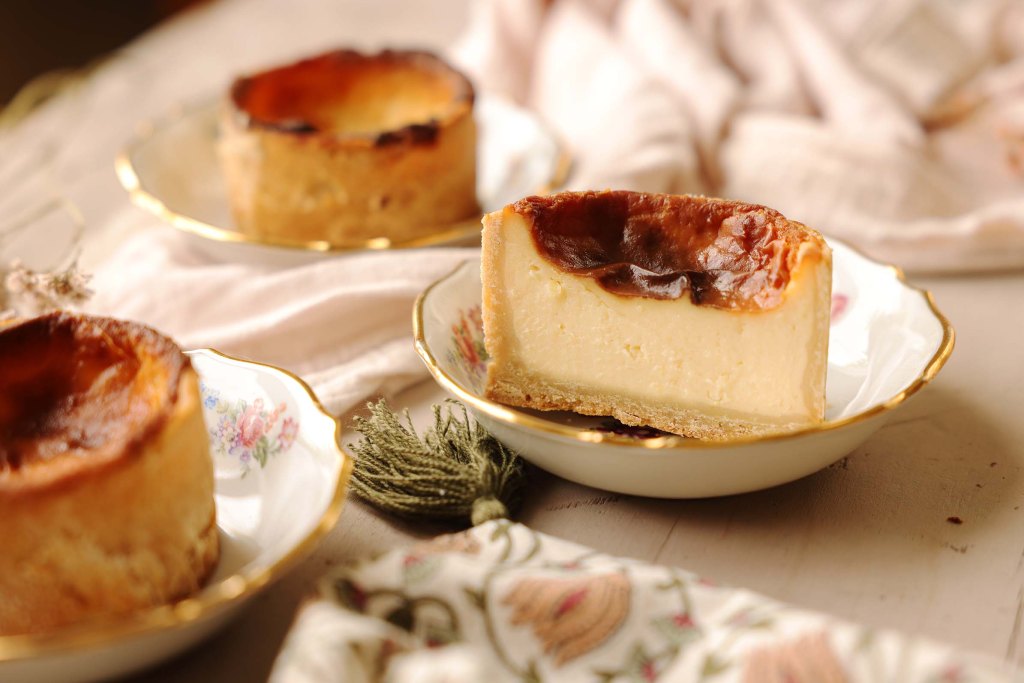
To get that gorgeous, signature caramelized skin on top of the flan while keeping the interior rich and creamy, you must manage your temperatures carefully.
- The Secret: Never put a warm or even room-temperature custard into the oven. Once your custard is poured into the pastry shells, it must sit in the refrigerator until it is completely, thoroughly cold to the touch. When that ice-cold custard hits the hot oven, it creates a temperature shock. This cooks the top layer quickly into a beautiful bronze skin while keeping the heart of the individual flan dense and velvety.
The Recipe: Nina Métayer’s Flan Pâtissier (Individual Format)
This recipe makes 4 individual mini-flans using 8 centimeters pastry rings, with a little extra pastry dough left over for troubleshooting.
- Prep time: 1 hour 30 minutes
- Resting time: 1 to 2 hours (essential for chilling)
- Baking time: 40 minutes
- Difficulty: Medium (Requires care with pastry lining)
Ingredients
For the Pâte Sucrée (Sweet Pastry Crust):
- 170 g (1 ⅓ cups) all-purpose flour / Farine T55
- 60 g (½ cup) powdered sugar / Sucre glace
- 1 whole large egg / Œuf entier
- 20 g (2 ½ tbsp) almond flour / Poudre d’amande
- 1 pinch of fine sea salt / Pincée de sel
- 90 g (6 tbsp / 3.1 oz) high-quality unsalted butter, softened / Beurre Charentes-Poitou AOP ramolli
For the Appareil à Flan (Custard Filling):
- 525 g (2 ¼ cups) whole milk / Lait entier
- 110 g (½ cup) unrefined cassonade sugar / Sucre cassonade
- 4 small egg yolks / Jaunes d’œufs
- 45 g (5 ½ tbsp) cornstarch / Fécule de maïs
- 150 g (⅔ cup / 5.3 oz) heavy liquid cream / Crème liquide entière
- 75 g (5 tbsp / 2.6 oz) high-quality unsalted butter / Beurre Charentes-Poitou AOP
- 1 whole plump vanilla bean / Gousse de vanille
Step-by-Step Preparation
Step 1: Crafting the Pâte Sucrée
- In a large mixing bowl, combine the softened butter and the powdered sugar. Using a spatula or your fingertips, cream them together until completely smooth and pale.
- Add the almond flour, the flour, and the pinch of salt. Work the mixture gently between your fingertips, rubbing the ingredients together until you obtain a beautiful, light sand-like texture (sablage). Take care not to overwork the dough at this stage.
- Add the whole egg. Gently combine and turn the dough out onto your work surface. Use the palm of your hand to smear the dough across the surface once or twice (frasage). This ensures the fat and flour are completely homogenous without developing the gluten.
- Gather the dough into a smooth, flat disc, wrap it tightly in plastic wrap, and let it rest in the refrigerator for at least 20 minutes to firm up.
Step 2: Lining the Mini Pastry Rings (The Architecture)
- Lightly grease four 8 cm pastry rings with a tiny touch of butter and place them on a baking sheet lined with parchment paper.
- Roll out your chilled pastry dough on a lightly floured surface to a precise thickness of 3 millimeters.
- Using one of the pastry rings as a cookie cutter, punch out four perfect circles of dough. Place one circle at the bottom of each ring.
- With a sharp knife and a ruler, cut four long bands of dough that match the height of your rings (about 2.5 to 3 cm) and are long enough to wrap around the inner circumference.
- Carefully insert one band into each ring, wrapping it around the inner wall. Gently use your thumb to press the bottom edge of the band into the bottom circle of dough, creating a seamless, clean joint.
- Use a sharp knife to trim any excess dough flush with the top of the rings. Place the lined molds into the freezer for 15 minutes to lock their shape.
Step 3: Simmering the Velvet Custard
- In a heavy-bottomed saucepan, combine the whole milk and the heavy liquid cream.
- Using a sharp knife, slit the vanilla bean lengthwise, scrape out all the luscious black seeds, and add both the seeds and the empty pod into the saucepan. Bring the liquid to a gentle, rolling boil over medium heat, then remove from heat, cover, and let infuse for 10 minutes.
- In a separate mixing bowl, vigorously whisk the egg yolks with the unrefined cassonade sugar and the cornstarch until the mixture pale slightly and is completely free of lumps.
- Remove the vanilla pod from the milk mixture. While whisking constantly, slowly pour the hot milk over the egg and sugar mixture to temper the eggs.
- Pour the entire mixture back into the saucepan. Place it over medium heat and cook, whisking energetically and continuously without stopping. Make sure to scrape the corners of the pan. Bring the mixture to a full boil; it will suddenly thicken into a dense, luxurious, shiny pastry cream.
- Remove from the heat immediately. Add the cold cubed butter and whisk vigorously until the butter is completely melted and fully incorporated into the velvet cream.
Step 4: Assembly and Chilling
- While the custard is still warm and smooth, pour it evenly into your four frozen pastry shells, filling them right up to the brim. Smooth the tops with an offset spatula.
- Allow them to come to room temperature on your counter, then place them uncovered into the refrigerator. Let them chill completely until the custard is thoroughly cold and firm to the touch (about 1 to 2 hours).
Step 5: The Bake
- Preheat the oven to 180°C (356°F).
- Once the mini-flans are icy cold, transfer the baking sheet directly into the center of the preheated oven.
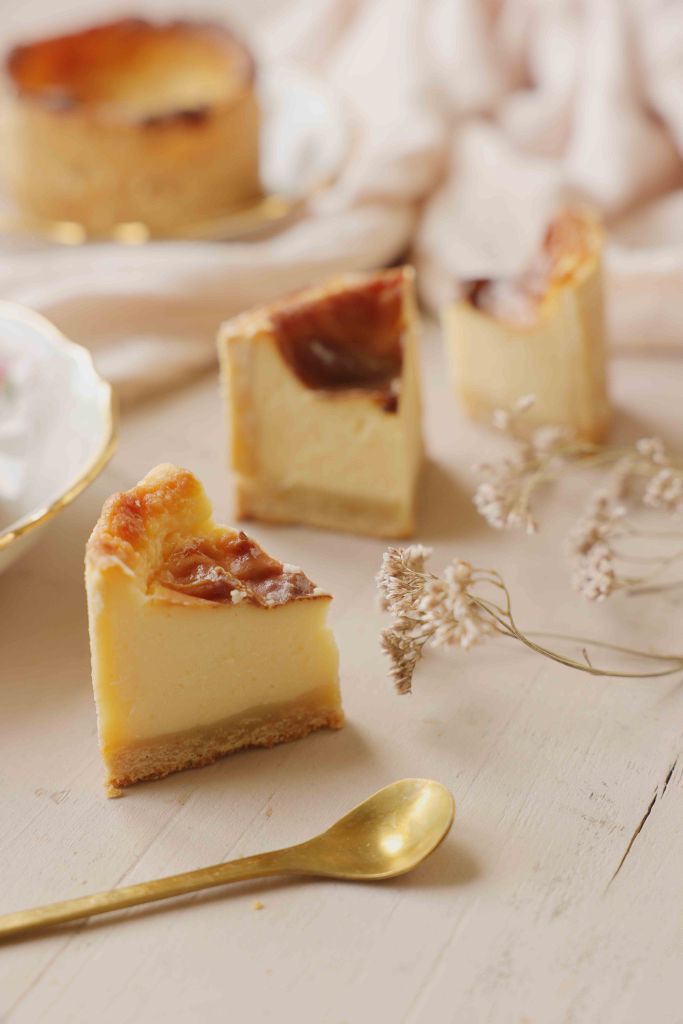
- Bake for precisely 40 minutes. Keep a close eye on them during the last 10 minutes: you are looking for a beautiful, mottled, dark golden-brown caramelization across the surface, while the edges remain a soft biscuit-gold.
- Remove from the oven. The individual flans will look slightly puffy and will still have a gentle, jelly-like wobble in the very center, this is completely normal.
- Let them cool completely at room temperature, then transfer them back to the refrigerator for at least 3 hours (ideally overnight) to allow the custard architecture to fully set. Remove the pastry rings just before serving.
The Ingredient Upgrade: The Salted Butter Twist
While the official recipe calls for traditional Beurre Charentes-Poitou AOP, Nina Métayer frequently mentions her love for the subtle balance of sweet and salty.
For an incredible flavor expansion, substitute exactly half of the butter in the custard recipe with high-quality Beurre Demi-Sel containing authentic crystals of Fleur de Sel. The salt acts as a natural flavor amplifier, cutting through the heavy fat of the whole milk and cream, and making the Madagascar vanilla notes explode on the palate.
Discover more from French Glimpses
Subscribe to get the latest posts sent to your email.
